Reconnect Rochester is grateful once again to Dr. Scott MacRae for his sponsorship of our trip to the 2026 League of American Bicyclists National Bike Summit.
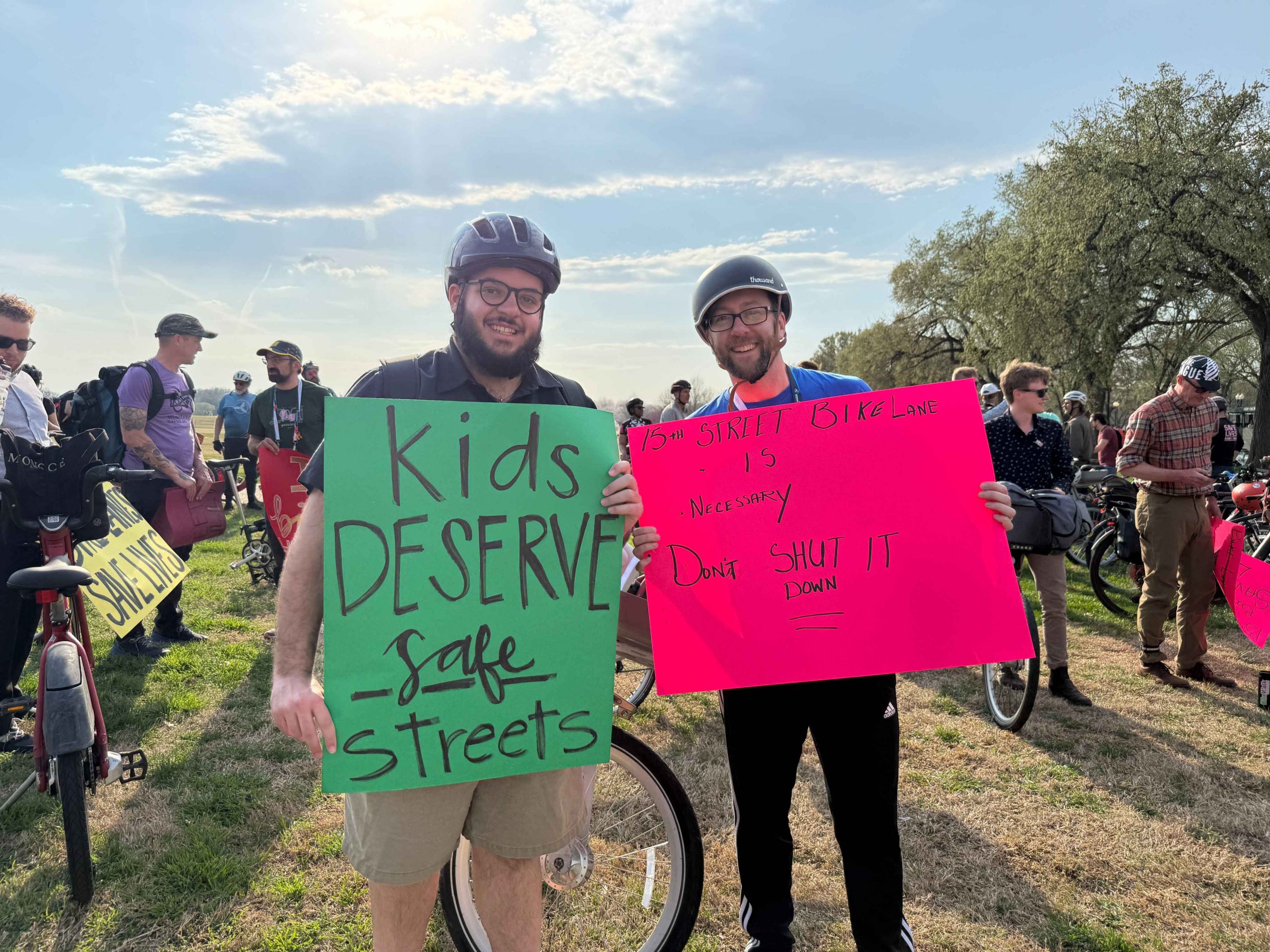
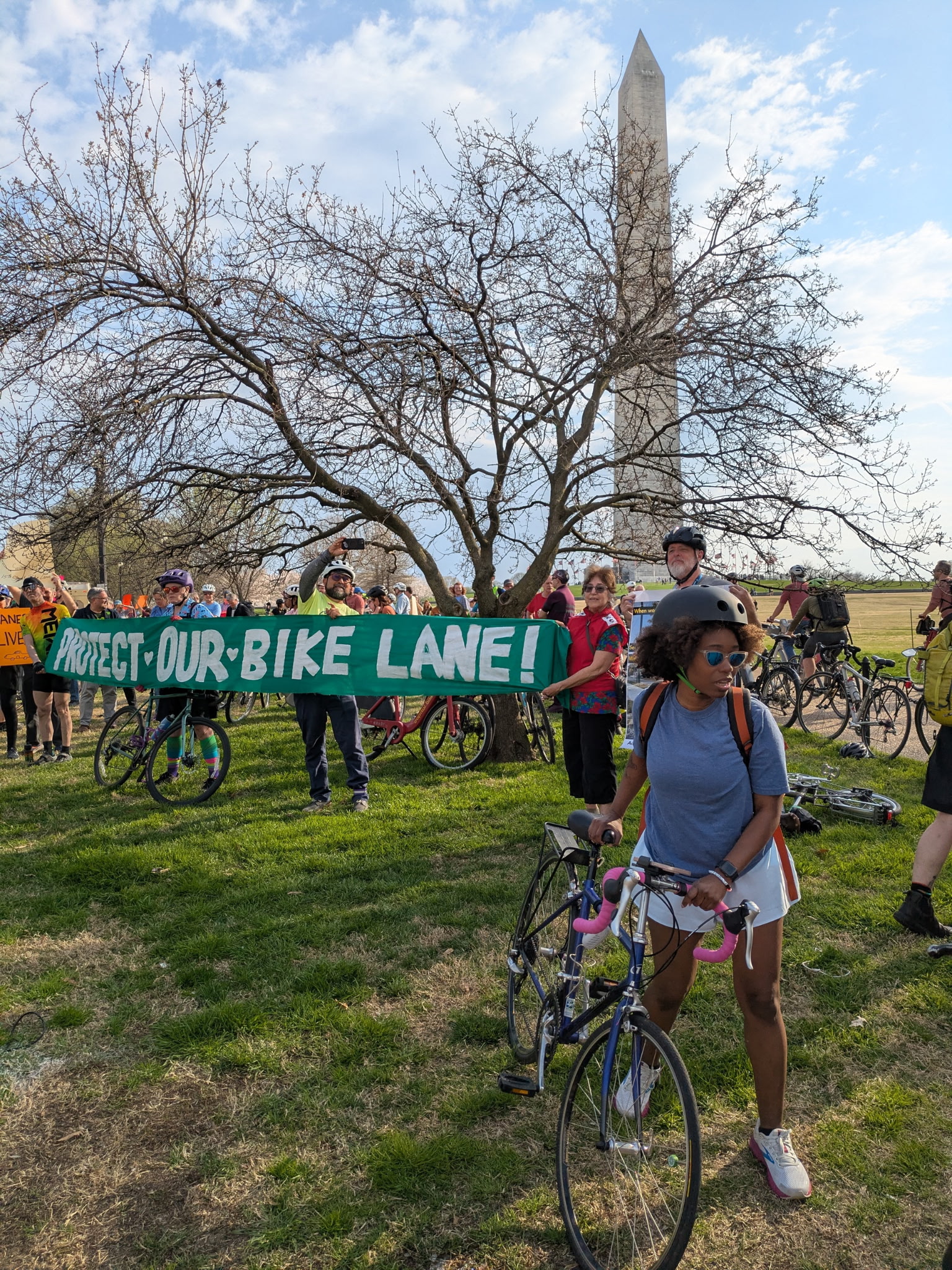
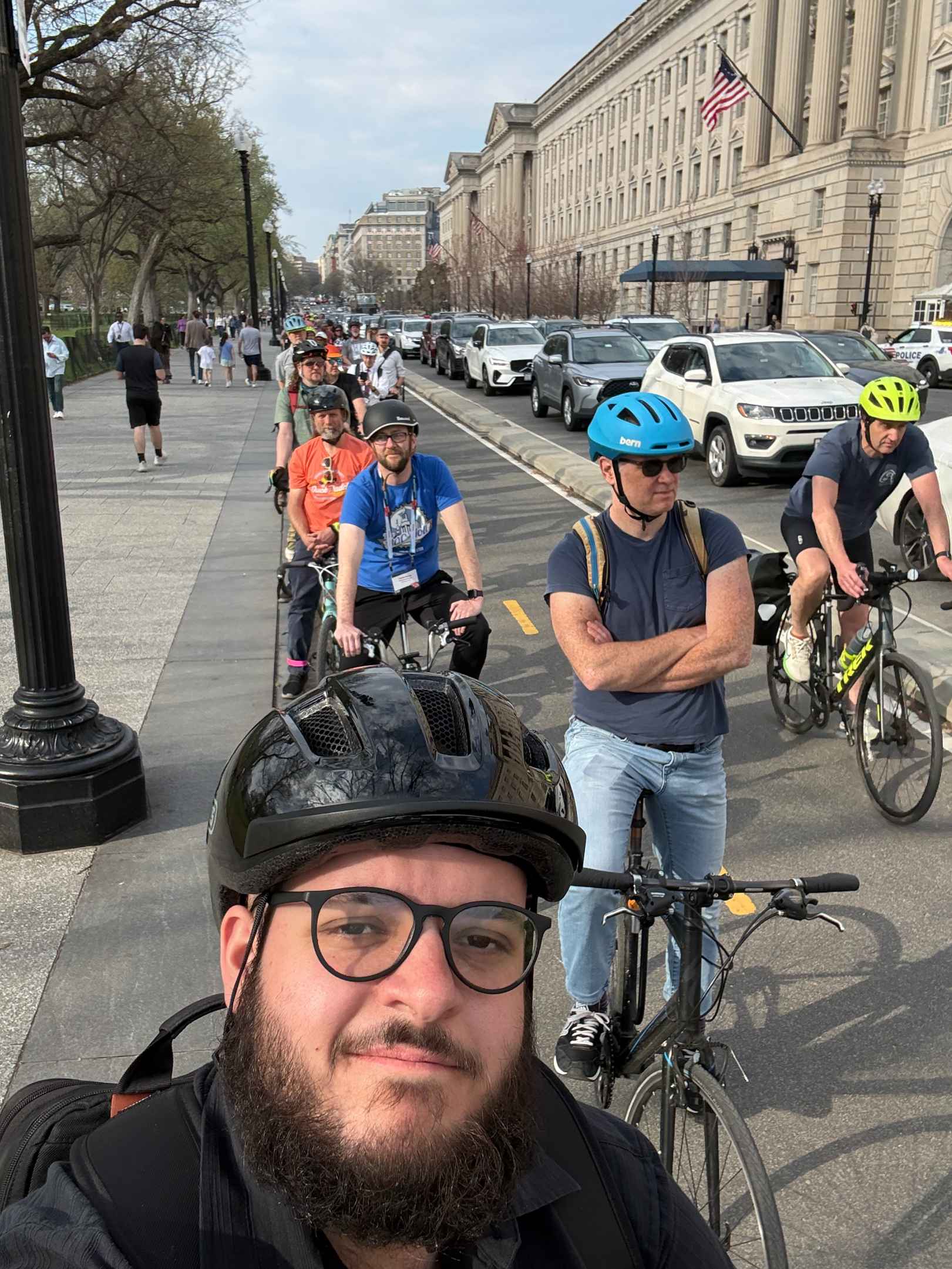
The National Bike Summit brought together advocates from across the country for four days of learning, networking, and federal lobbying to advance better biking and walking infrastructure. This year’s summit was packed with policy discussions, inspiring presentations, and hands-on tours of Washington, DC’s evolving bike network (which is sadly under attack by the Trump Administration). On the final day of the summit, we joined a protest ride to oppose the removal of the 15th St. Protected Bike lanes organized by the League of American Bicyclists and Washington Area Bicyclist Association.
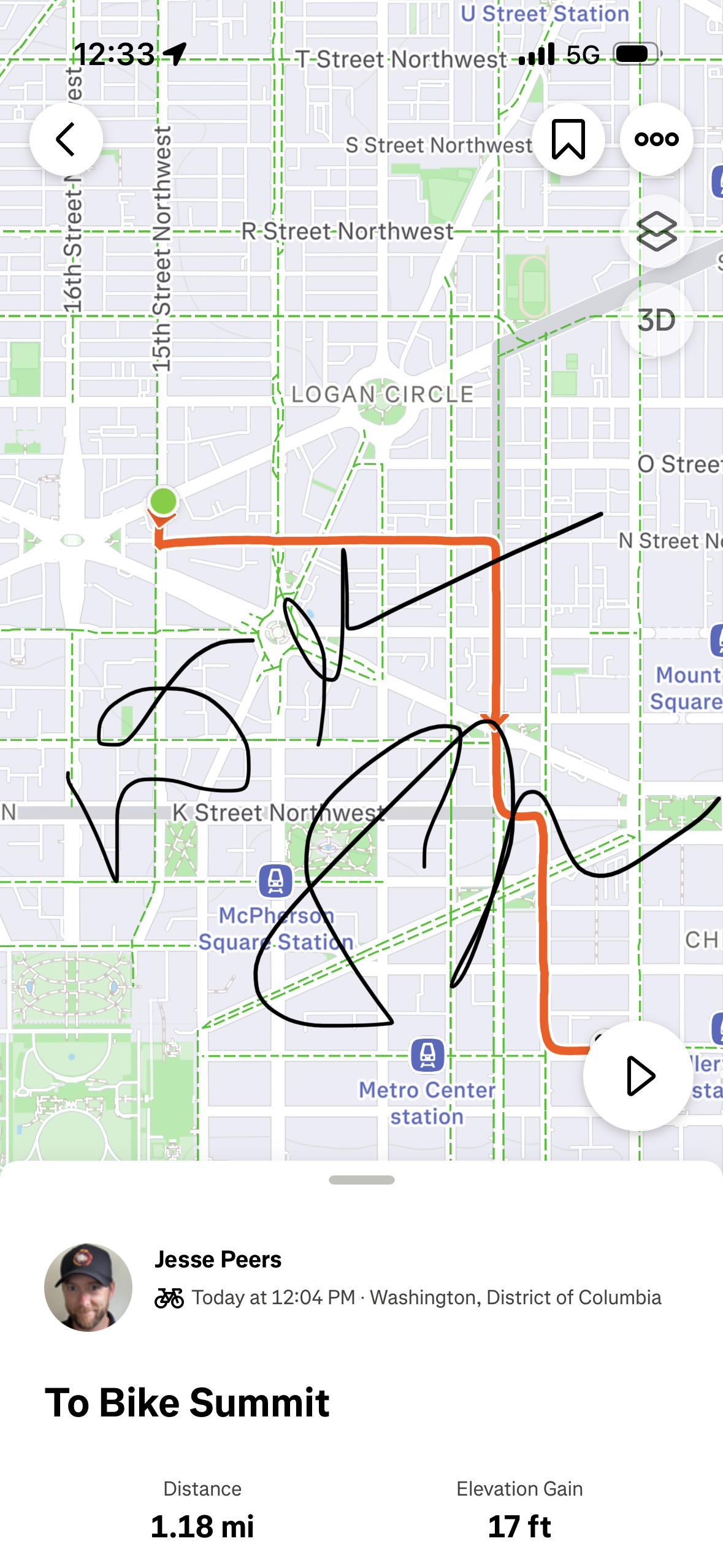
We were excited to see the remarks from Doug Gordon and Sarah Goodyear, whose work on Life After Cars and The War on Cars continues to inspire advocates to imagine people-centered streets. Naturally our cycling Manager Jesse Peers got their autograph on his Strava route screen shot.
Addressing pushback and understanding cyclist growth
As e-bikes are the center of many mobility conversations right now (including an upcoming community conversation at our office on May 21st!) we were happy to learn that the addition of e-bikes to the Capital Bike Share exploded ridership and played a big role in DCs push for more bike infrastructure in general.
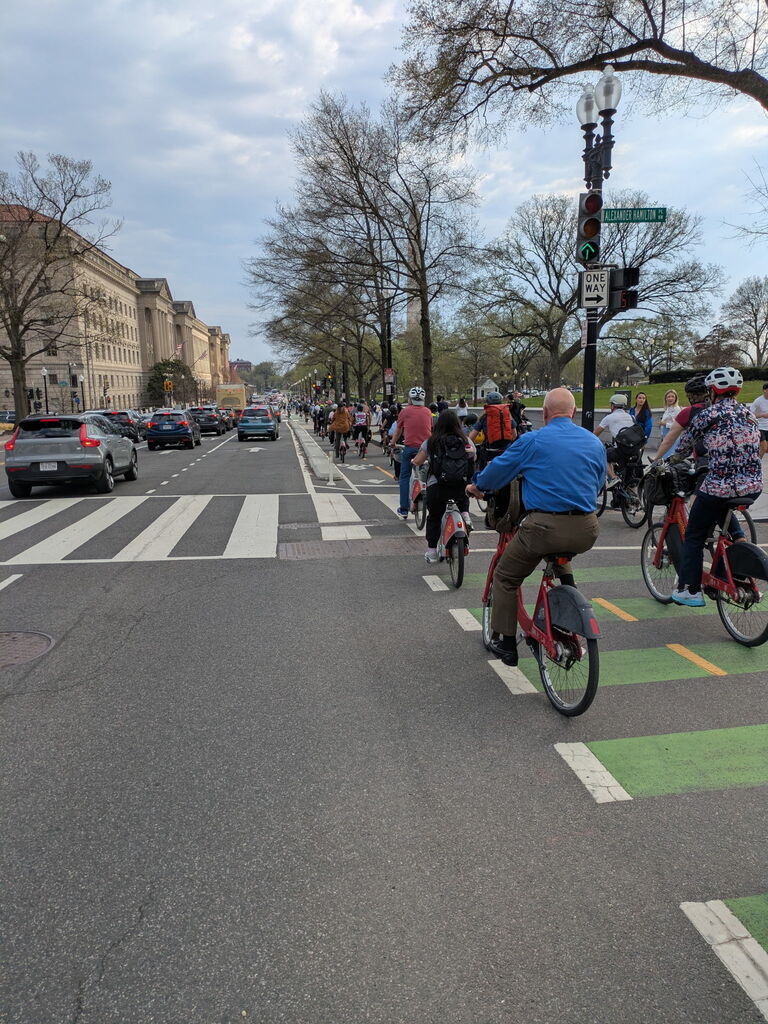
This aligns with what we had noticed: e-bikes are expanding access for riders who might not otherwise consider biking, whether due to distance, hills, or physical limitations. At the same time, high speed unregulated e-motos are confusing perceptions about the usefulness of e-bikes. Safety and policy decisions require nuance to address risky behavior without discouraging the growth of everyday cycling.
Another emerging dynamic we heard about came from New York City, where gig-economy companies such as DoorDash have become major stakeholders in bike infrastructure conversations because so many deliveries are made by bike. That made us wonder if there are big players in Rochester, beyond municipalities and transportation agencies, that could help sway our street design projects.
One of the highlights of the Summit was a tour of the protected bike lanes on 9th Street NW Protected Bike Lane. Ddot received a lot of push back at first from businesses along 9th street about losing parking spaces, but the area seemed to be thriving, especially with the added parklets. Businesses often fear losing parking, but evidence like this shows that streets designed for walking and biking can actually increase foot traffic and economic activity.
Bicycle Safety and Education
Our Cycling Manager, Jesse, spent time diving into sessions on bike safety data and education. We learned about new methods such as partnering with Strava Metro, which provides anonymized biking and walking data to planners and advocates. This could help us understand how people move through our streets and where new infrastructure is needed. We also learned from Bike Cleveland, which produced an impressive crash report by mapping 911 dispatch calls to identify cyclist crashes that never made it into official state crash databases. Their work shows how advocates can uncover safety problems even when official reporting falls short.
We’re intrigued by the League’s plans for its upcoming Ready to Ride curriculum where any teacher can be equipped to teach bike safety without needing to become a Licensed Cyclist Instructor. We see potential in lowering the barrier to entry for cycling instructors. Jesse also found inspiration in Utah’s “Beat the Street” school presentations and is already thinking about how elements of those programs could be incorporated into his own bike education visits with local fifth-grade classrooms.
Advocacy inspiration
Leaders from Bike Pittsburgh and Bike Cleveland emphasized the importance of supporting volunteer advocates while creating structures that provide training,and coordination. We need to demystify the process to make it easier for residents to participate in transit and cycling advocacy. A key takeaway from this was to let organizations such as Reconnect Rochester focus on the official wonky policy language while letting advocates tell their personal stories and pleas for safe streets in plain language.
Businesses often fear losing parking, but evidence shows that streets designed for walking and biking can actually increase foot traffic and economic activity.
Federal Lobbying
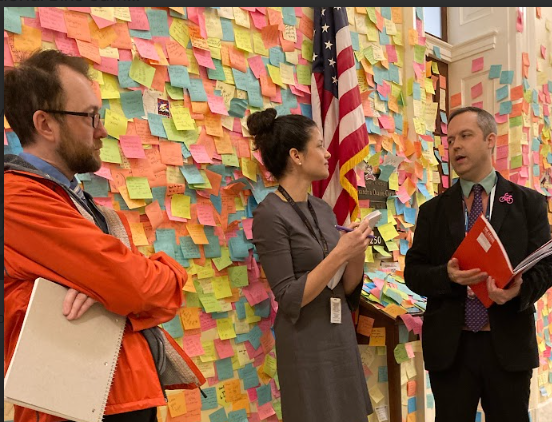
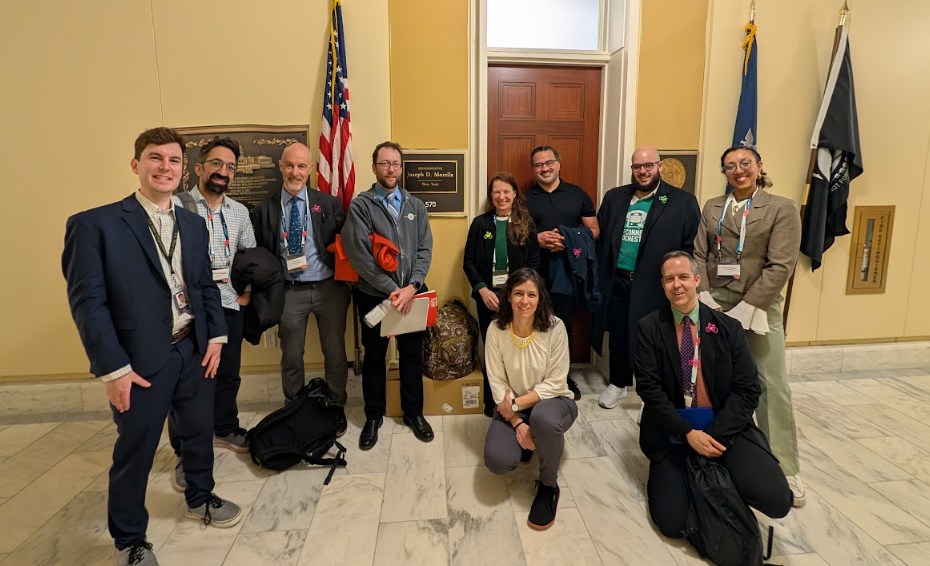
Every year bike summit participants participate in “lobby day” to meet with federal offices to advocate for policies that support safer streets nationwide. By focusing on a few clear and practical requests, our meetings were smooth and productive. We didn’t get any pushback from offices because the asks were so reasonable and the benefits clear.
One challenge, however, was the lack of meetings with Republican members of Congress. Assuming that the upcoming transportation reauthorization will move forward without bipartisan support for bicycling could be shortsighted. Building broader support for safe streets will remain an important priority.
The league was focused on three key requests:
1. Protect the Transportation Alternatives Program (TAP)
TAP is the primary formula program that allows local governments to fund walking and biking projects. We urged lawmakers not to merge TAP into larger funding programs during the upcoming federal transportation reauthorization as that historically leads to a loss in overall funding and makes it less effective.
2. Support the Sarah Debbink Langenkamp Active Transportation Safety Act
This legislation would allow states to fund projects that protect pedestrians, bicyclists, and other non-motorized road users in states with high fatality rates with 100% federal dollars when they use proven safety countermeasures.
3. Expand the Safe Streets and Roads for All Program
The Safe Streets and Roads for All has already helped more than 70% communities develop safety plans. We encouraged support for legislation that would increase funding to $5 billion per year (previously $1 billion) while maintaining strong local control.
The Summit reinforces something we see every day: across the country, communities are rethinking streets so they work for everyone. And Rochester has an important role to play in that movement. Visit our Take Action page to find out how you can get involved!
Glad to see you were able to attend the summit and advocate for safe streets at a national level!