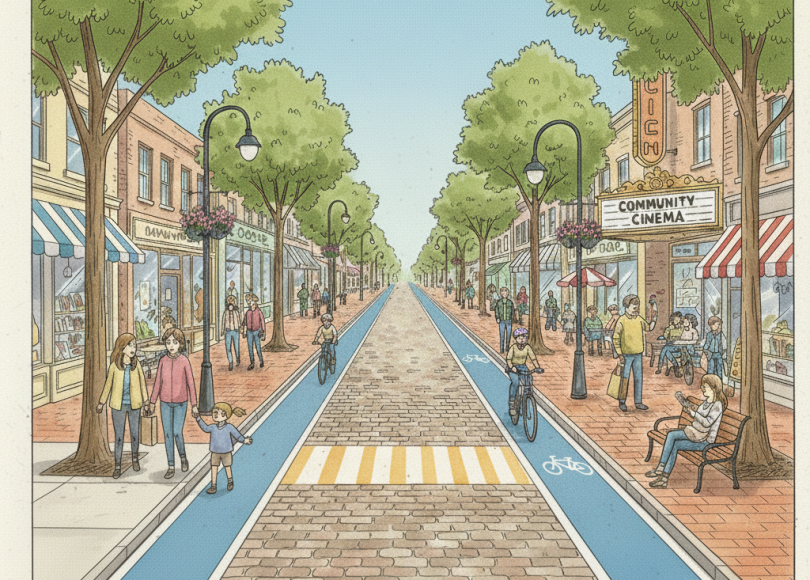

by No Comments

Seeing Our Streets Again: Why Walk Audits Matter More Than We Think

Written by Arian Horbovetz and originally published on The Urban Phoenix blog

Most of us move through our communities the same way every day. Buckled into a car, windows up, music on, brain half‑occupied with the next thing on our list. We glide past storefronts, sidewalks, bus stops, crosswalks, and front porches without ever really experiencing them. In a vehicle, the world becomes a backdrop, a blur of shapes and colors that we register only long enough to navigate from Point A to Point B.

But the moment you step out of the car and onto the street, everything changes.

That’s the quiet power of a walk audit, defined by a simple, intentional stroll through a neighborhood with the goal of observing how the built environment actually works for the people who use it. It’s not complicated. It’s not technical. It doesn’t require a planning degree or a clipboard full of jargon. It just requires your feet, your eyes, and an open mind.

And yet, this humble act can completely transform how you understand your community.
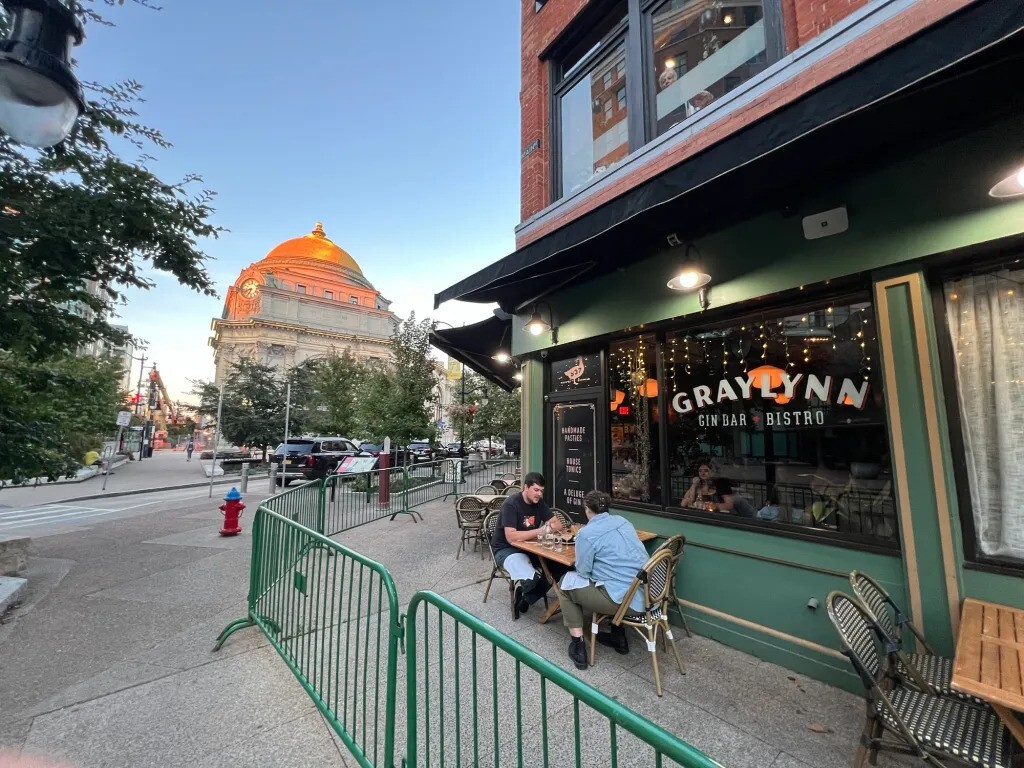
Buffalo, NY

What Exactly Is a Walk Audit?

A walk audit is essentially a guided exploration of a street or neighborhood with the goal of noticing what works, what doesn’t, and what could be better. You pay attention to things you never see from behind the wheel:

  • How wide (or narrow) the sidewalks feel
  • Whether crosswalks are visible or faded into oblivion
  • How fast cars are moving compared to how fast they should be moving
  • Whether a bus stop has a bench or just a lonely sign in the dirt
  • How easy it is for someone with a stroller, wheelchair, or cane to get around
  • Whether the street feels welcoming, intimidating, or somewhere in between

It’s a chance to slow down and let the built environment speak for itself.
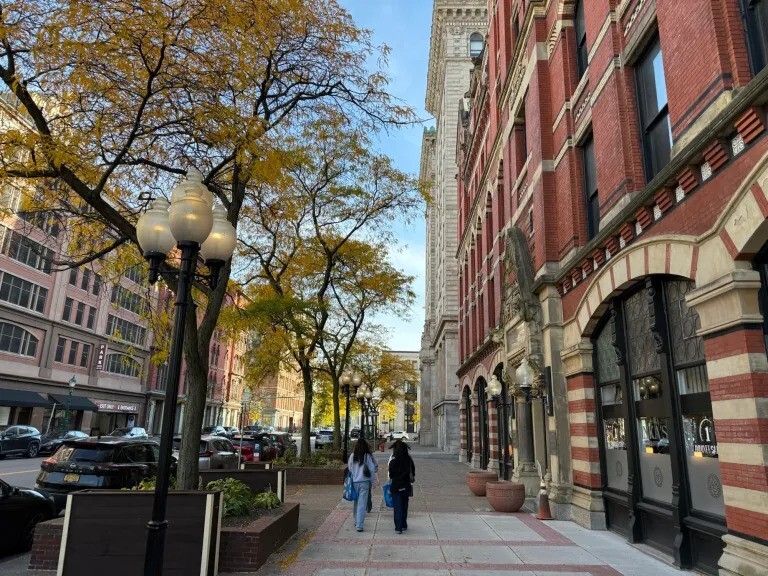
Syracuse, NY

The View From the Street Is a Different World

When you walk a street you normally drive, you start to notice the small things that shape the daily experience of the people who live, work, and move through that space.

  • That “quick” intersection you breeze through in your car suddenly feels like a gauntlet when you’re on foot, waiting for a walk signal that never seems to come.
  • That “wide open” road you love driving becomes a speedway that makes crossing on foot feel like a dare.
  • That “cute little business district” you pass every day reveals itself as a place where the sidewalk is too narrow, the lighting is dim, and the storefronts are hidden behind a row of parked cars.

Walking forces you to confront the reality that our communities often weren’t designed with people in mind. They were designed for vehicles. And once you see it, you can’t unsee it.
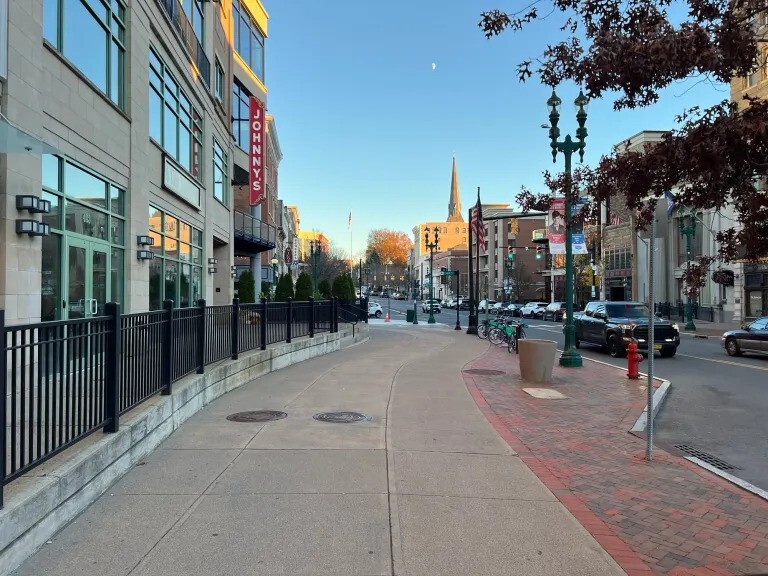
Schenectady, NY

Why Walk Audits Matter for Community Change

Here’s the beautiful thing: you don’t need a city budget, a planning commission, or a consultant to start understanding what your community needs. A walk audit is one of the easiest, most accessible tools for identifying the strengths and challenges of your built environment.

It helps you:

  • Spot safety issues that aren’t obvious from a car
  • Understand accessibility gaps that affect neighbors every day
  • Recognize opportunities for beautification, traffic calming, or public space
  • Appreciate what’s already working well… the shade trees, the benches, the storefronts that make a street feel alive

Most importantly, it gives everyday residents a voice. When people walk their streets with intention, they start to see not just problems, but possibilities.
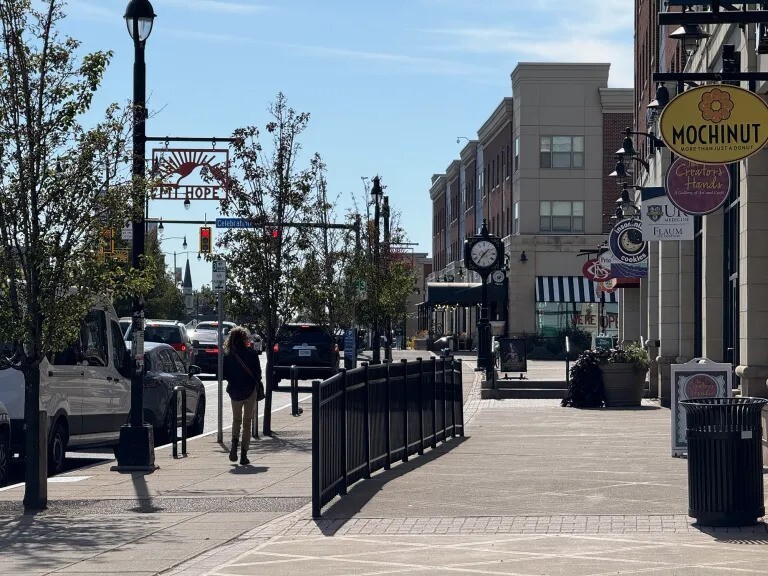
College Town, Rochester, NY

The Urban Phoenix Started With Walk Audits Without Even Realizing

When I first started this blog over a decade ago, I would travel to cities exclusively by train or bus (when possible I still do!). To get to the places I wanted to go, I had no choice but to walk, or take my electric scooter at the time.

In places like Utica, New York, I was able to tell stories of walking the streets, the people I met, the amenities that made the experience better, and the problems with design that made me feel unpleasant or unsafe… all new concepts to a city of people who never bothered to walk further than from a parking space to a front door. Without realizing it, my spontaneous walk audits and the subsequent reporting of my experiences helped entire populations see their communities differently.

The First Step Toward Better Streets Is… Walking Them

Communities don’t improve because someone in an office decides they should. They improve because people who live there start paying attention, asking questions, and imagining something better.
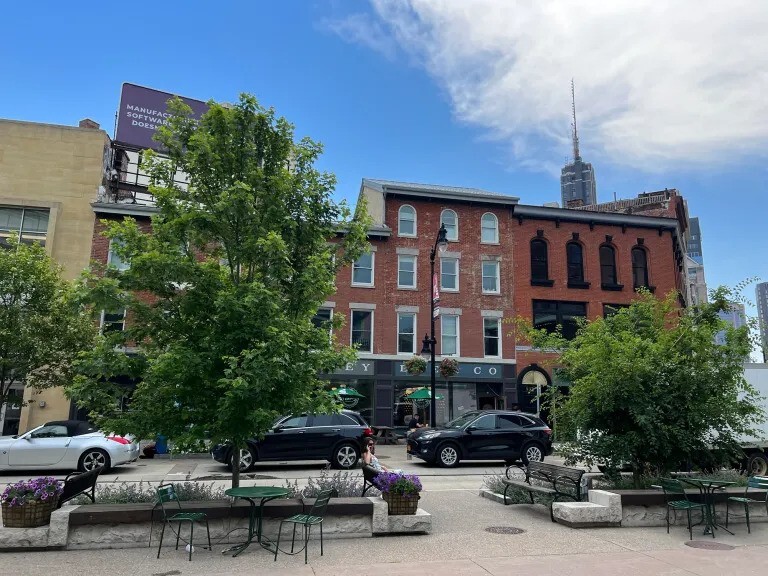
Buffalo, NY

A walk audit is the simplest way to begin that process. No special equipment. No big event. No permission slip required. Just you, your neighbors, and a willingness to see your streets with fresh eyes.

Once you do, you’ll understand your community in a way you never have before, and you’ll be better equipped to advocate for the improvements that truly matter.

Sometimes the most powerful change starts with the smallest step.

Want some inspiration? Go to Strong Towns’ YouTube channel to watch shorts featuring walk audits like this one and more!
by No Comments

Automobile Evolution and Suburban Sprawl

Written by Arian Horbovetz and originally published on The Urban Phoenix blog

The first car I recall riding in as a child was my mother’s Chevette Scooter, a horribly made car for the family on a budget. Poor quality, no comfort, no AC, a heater that took half an hour to kick in and a crappy radio.

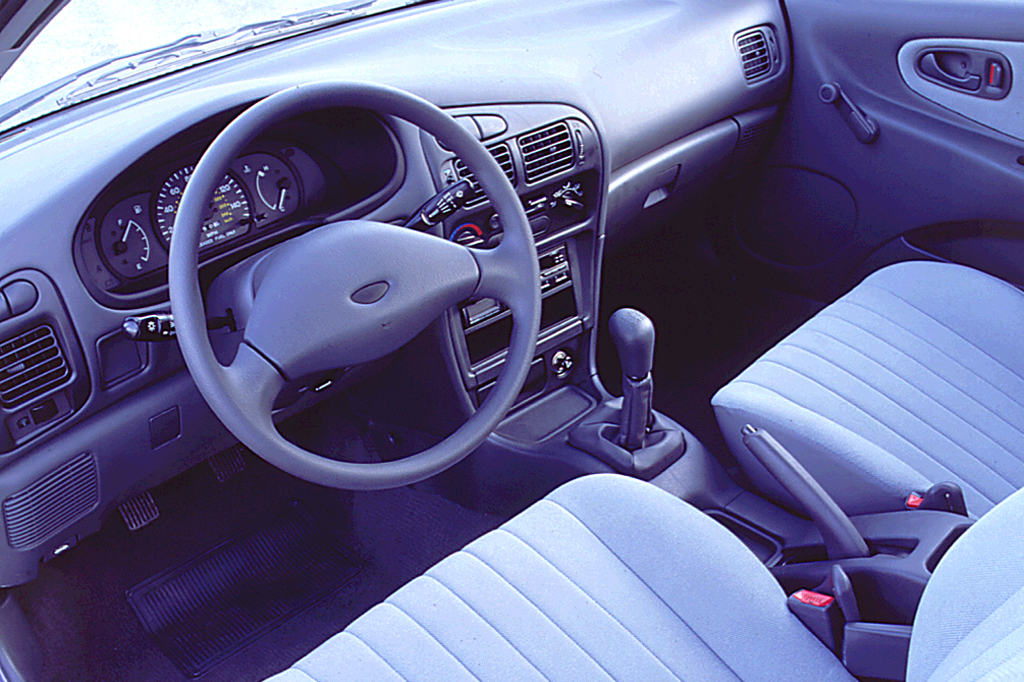
The Ford Escort that followed was honestly not much of an upgrade, and neither was the car that ended up being my first to drive, the Plymouth Colt (which didn’t even have a radio).

1993 Plymouth Colt Interior, Consumer Guide Automotive

Yes, these were bargain basement rides built for my mother’s extremely tight self-employed-music-teacher budget. There were far more luxurious cars in the ’80s, ’90s and ’00s. But none of these were anywhere near our price range. Thus, we were stuck with cars that just weren’t great to be in for more than short stints at a time. Commutes were a struggle, especially in bad weather. Comfort was something we simply could not afford.

In contrast, let’s look at the 2021 Toyota Corolla. Features include AC, power everything, a touch-screen audio control system with “Amazon Alexa Compatibility” as well as “Android Auto” and “Apple Car Play” standard. You can even get “Sirius XM” satellite radio. The look and feel of the interior resembles something from the future, with painstaking detail to ensure comfort and convenience. Top that off with the fact that the new Corolla has 139 horsepower, nearly double that of the popular Escort mentioned above. And let’s remember, the Corolla is the base-model of Toyota’s fleet. This is the new entry-level car of the budget-minded American today.

When we talk about the “driving forces” (forgive the pun) of American population sprawl away from urban centers and even job clusters, we often cite wider roads, more highways, cheaper rural property, crime rates, employment redistribution and other factors as motivators and facilitators. We rarely talk about the fact that being in a car for long periods of time isn’t quite as awful anymore.

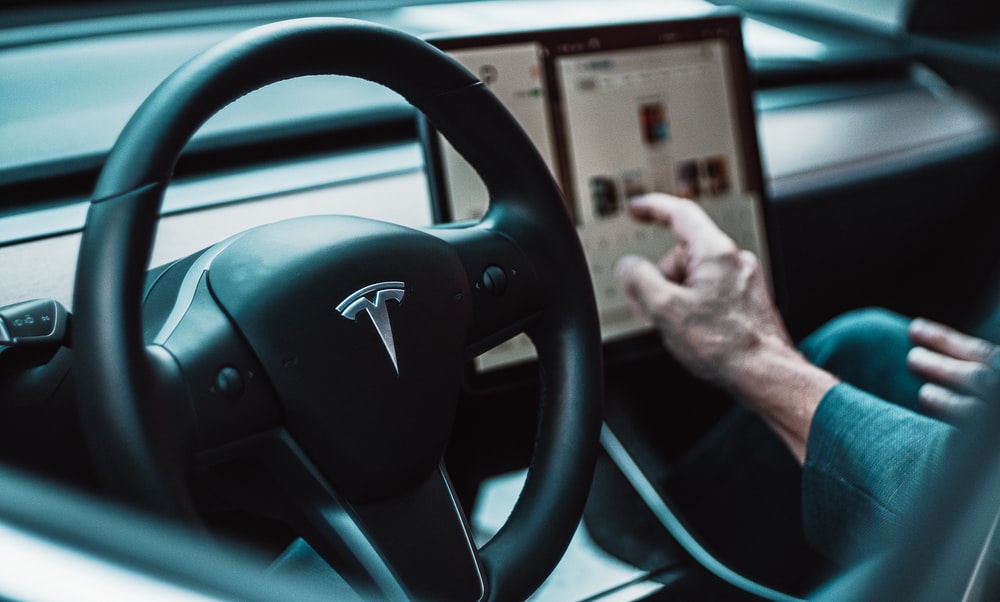
An example of luxurious cars today

The upgrades with regard to comfort, power, tech, audio, safety, all-weather handling, and a host of other creature comforts have made the prospect of a longer commute much more palatable… even inviting. Cars have shifted from uncomfortable, unsafe and unappealing to flashy, exciting and luxurious, even at the base-model-level.

And Americans are willing to spend a greater percentage of their income on this luxury. If you were the average American and wanted to purchase the most popular car in the United States in 1985, you would commit 26% of your annual income to that purchase. If you wanted to do the same today (and purchase the Toyota Camry) you would have to spend 35% of your income.

Car companies have had their finger on the pulse of American psychology for some time. A decade ago, when car sales began to drastically slip with young Americans, the auto industry knew they needed to make a change. Gone would be the days of selling a car based on boring traits like vehicle quality and longevity… instead, a new era of vehicular manufacturing and marketing was built around something young people can’t get enough of: Tech.

From computer-monitored climate control systems to Bluetooth and voice-command applications that tie in with your phone, tech advances in cars have ushered in a new dimension of appeal to the young American motorist. Car interiors have been fitted with futuristic cockpits featuring screens, cameras, colorful lights and flashy graphics. Very few commercials speak to the construction of the vehicle with regard to crash safety anymore… instead they tout the automatic braking systems and auto-piloting features as tech that keep passengers from crashing in the first place.

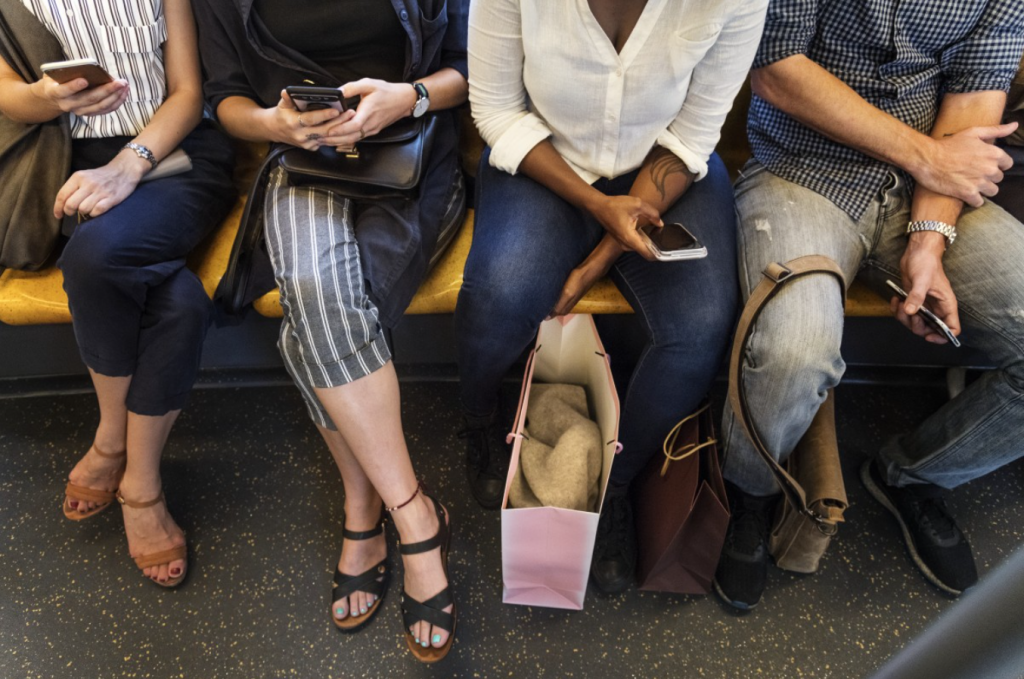
The ability for a car to sync with a smartphone via voice command is particularly vital. The shifting symbol of freedom in the U.S. is important to note here, as more and more young Americans favor digital rather than (or at least in steep competition with) physical connectivity. Before recent advances in car tech, the automobile was a place where people were legally prohibited any interaction with tech while driving. Taking a bus or a train, however, left the traveler the chance to immerse herself/himself in the digital world while moving about. It is at least somewhat likely that the uptick in transit usage and the downturn in miles driven a decade ago was motivated by the fact that transit allows users to continue their smartphone connectivity throughout their local and regional travels, while cars do not.

Travelers immersed in the digital world, taking advantage of the freedom of public transit

Even prior to Covid, this trend had been steadily reversing. As cars added ways for Americans to stay digitally connected and feel surrounded by luxurious tech, public transit, in most cases, failed to adapt by building on their modest gains. Now that Covid has dealt a cataclysmic blow to transit ridership, the auto industry has never been more vigilant in marketing their product as a vehicle that keeps you connected while giving you a space that is “safe,” warm, comforting and above all, fun.

Pay close attention to car ads today. How many of them really talk about old-school measures like how long the car will last or how the car drives? Instead, look at the attention to tech additives and creature comforts. Today’s cars aren’t being marketed as transportation solutions… they are being branded as blissful islands of escape, with technology and serenity at the center of a newfound automobile obsession.

As urbanists battle against community design that prioritizes automobile utilization above all else, we should all be mindful of the fact that these aren’t the only factors that motivate car sales today. The fact is, cars today are more fun than they ever have been. Even entry-level models boast tech, audio and comfort that bathe the driver in a world apart from the anxiety-inducing reality we live in today.

As we look toward a light at the end of a dark tunnel, we must start planning for the public transportation of tomorrow. One of the considerations we must have is how to compete with the serenity-inducing experience of the car. Public transit’s next step needs to not only focus on how to efficiently move people, but how to do it in a way that pacifies our desire for comfort and need for space in a world that continues to overwhelm us all.