By Hendrik de Smidt
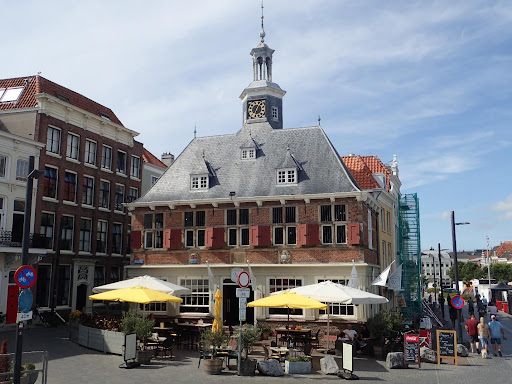
As winter loosens its grip on Rochester, I’m eager to get outside and enjoy the sunlight of longer days. Many of my cherished fair-weather memories share a common thread: the terrace and the plaza. Internationally, outdoor drinking and dining are cultural institutions. Town squares and city streets around the world are packed with tables. The air is filled with the sounds of conversation and the smell of fresh food. City planners and community members are intentional about creating safe, calm oases within the urban context to eat, drink, walk, and socialize.
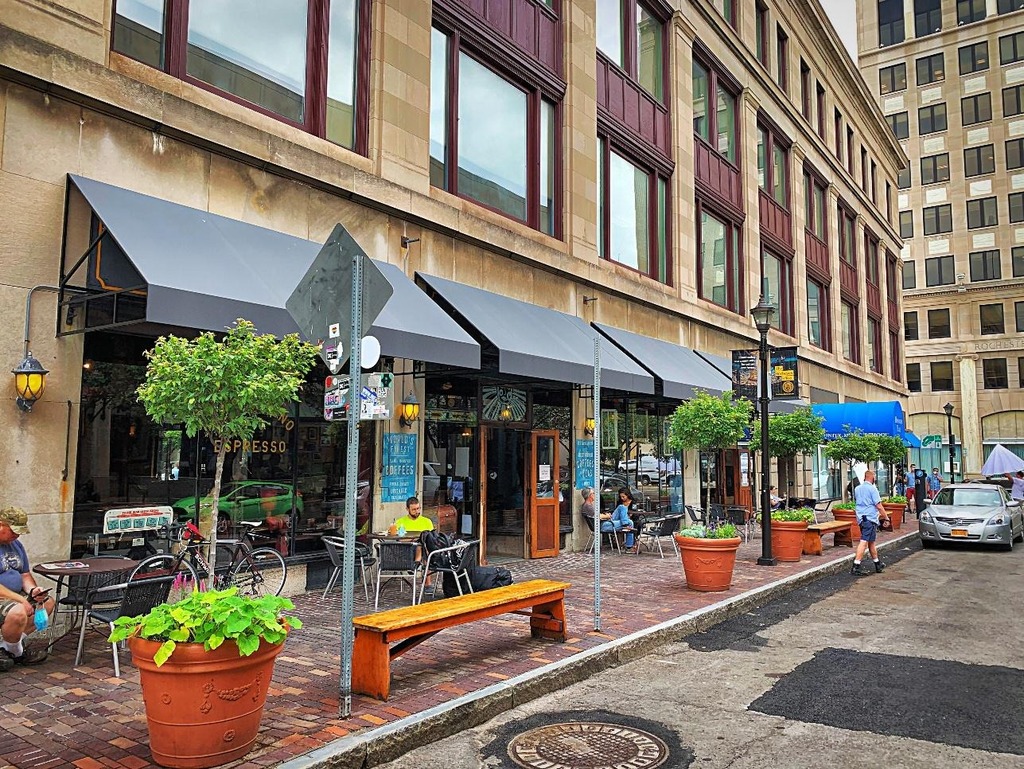
Sadly, this experience is not the norm in our city. With so much of our public realm surrendered to travel lanes and parking spaces, there is little space left for people. Even downtown and in entertainment districts like Park Ave, cars are prioritized while humans are pushed to the margins. Where outdoor seating is available at all, it often encroaches onto already too-narrow sidewalks, creating conflicts between diners and pedestrians. And if you can find outdoor seating, it is frequently located within just a few feet of high-speed car traffic, with all the accompanying noise and fumes.
While I see this situation as a tragedy, defenders of the status quo insist that allocating valuable urban space for outdoor dining and recreation is pointless in a city like Rochester which is gripped by snow and ice for 3-4 months of the year. While on the surface this argument sounds logical, our neighbors to the north see things differently.
City streets around the world are packed with tables. The air is filled with the sounds of conversation and the smell of fresh food…in our city if you can find outdoor seating, it is frequently located within just a few feet of high-speed car traffic with all the accompanying noise and fumes.
Every year during the winter months, the city of Montreal, Quebec is pummeled by an average of 83 inches of snow, with average temperatures below 20 degrees Fahrenheit. To put it in perspective, that is almost as much snow as we get in Rochester with a lower average temperature! But rather than basing decisions about urban space for the whole year on the coldest three months, Montreal has a different philosophy. Every summer, they open up some of their most vibrant city streets for walking, biking, and outdoor dining. Local artists and community members are called in to beautify their thoroughfares with planters, murals, and street furniture.
Montreal has been doing this for several years, and the program is so popular (both with the public and with businesses) that it has been repeatedly extended and expanded. This year, 8 different streets will be closed to cars, and opened to people, from the end of May to mid-October. And it’s not just the Canadians. This year, New York City will fully or partially close sections of over 50 streets for cars to open them for people. This is on top of recent projects which have removed vehicle traffic from some sections of Broadway in the heart of Midtown Manhattan.
Despite our smaller population, I think this is something we could emulate in Rochester; perhaps from the beginning of the Jazz Festival in June to the end of the Fringe Festival in September. Partnerships could be created with these festivals, as well as other events and local businesses, to active the newly available public space. Here are my nominations for Rochester Open Streets.
Gibbs Street between Main Street and East Ave:
Located directly in the middle of the Eastman School of Music campus, this is area is the closest thing that the prestigious college has to a “quad.” A pedestrianized Gibbs Street would act as an extension of the existing pocket park on the corner of Main and create enough space for small outdoor concerts. It would also allow expanded outdoor seating for Java’s Café, Ludwig’s Center Stage Café, and Max Chophouse; all of which front onto this section of Gibbs.
Elm Street and Cortland Street at Parcel 5:
Parcel 5 has been growing in popularity as a venue for events and public gatherings; however, Elm and Cortland currently separate it from the nearby pedestrianized areas of Midtown Commons and The Grove to the southeast. Pedestrianizing these two streets would connect existing assets into a proper public square with the capacity for larger community events. It would also provide additional outdoor dining capacity for Branca, Patron Saint, and the food trucks that frequently set up shop in the area.
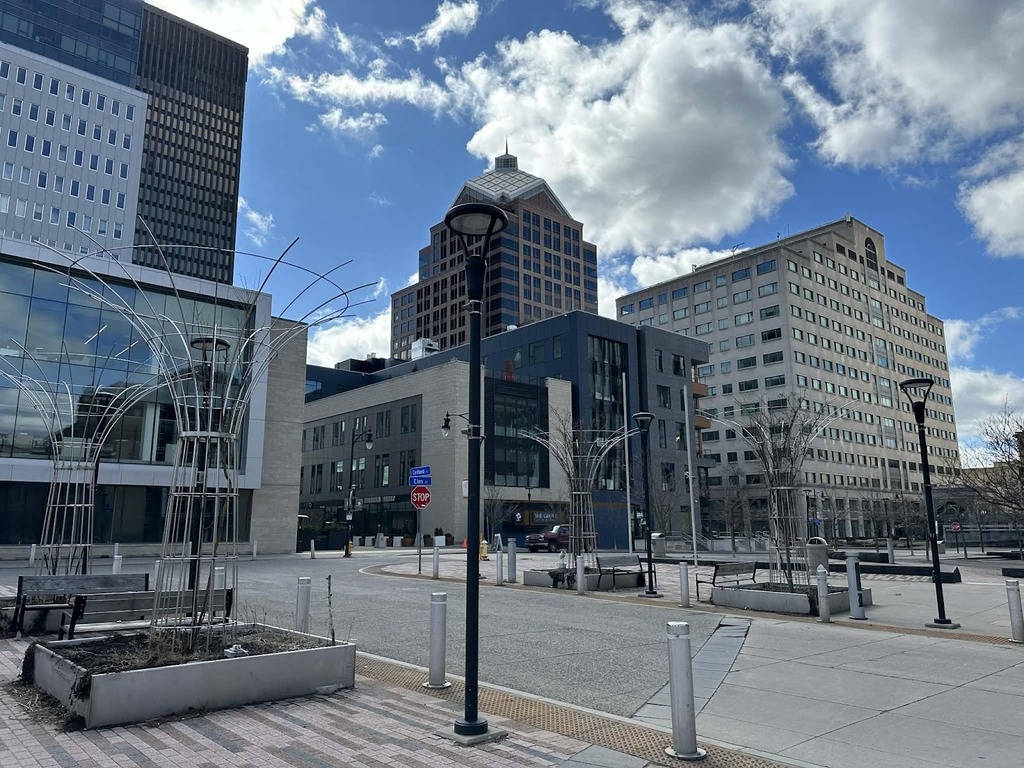
Park Avenue from Berkeley Street to Culver Road:
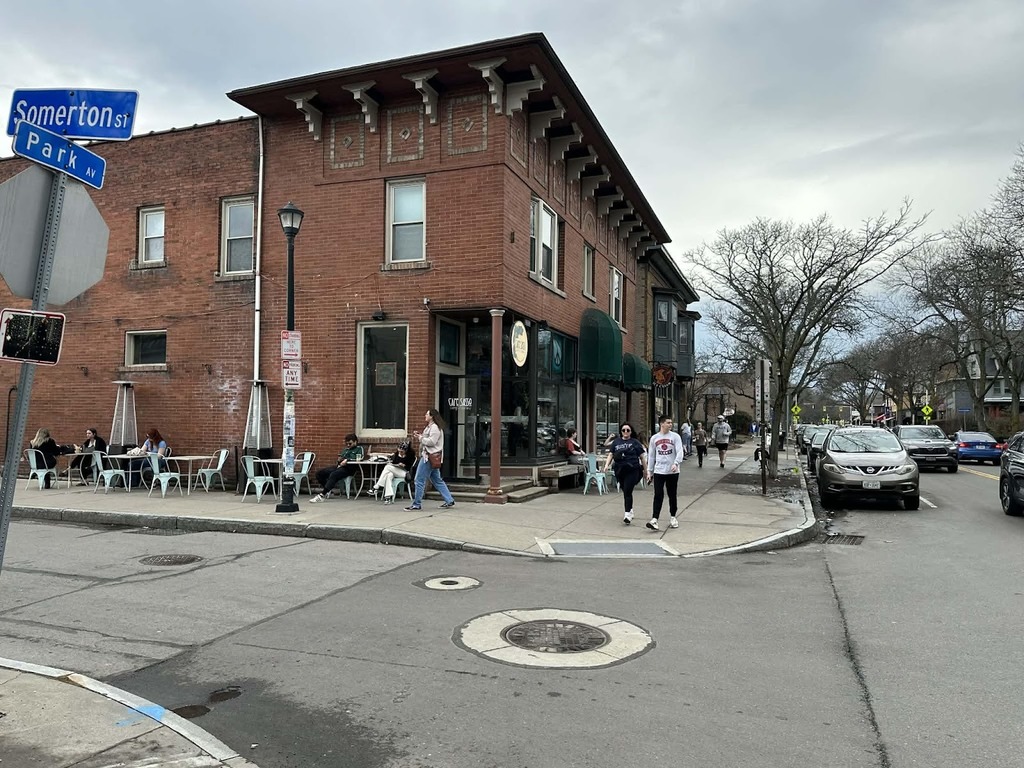
This stretch of Park Ave is home to many beloved restaurants and cafes. While I would love to see the entire length of Park Ave receive the Open Streets treatment, this section is the most obvious and least disruptive. RTS service could be shifted to East Ave during the window. Alternatively, a 12-foot span in the center of the roadway could be left unobstructed to create a temporary transit mall. This intervention would truly bring the corridor to life during some of its most vibrant months.
Which of these locations would you most like to see receive an Open Streets treatment? Is there another location in the City of Rochester you would like to see temporarily or permanently pedestrianized? Let us know!