by No Comments

Fall 2025 Advocacy Updates

Hello Reconnect Advocates! We’re entering December with a renewed energy to start planning our 2026 activities at Reconnect Rochester and reflecting on our 2025 work. We’ve heard from you that you’d like more frequent updates about the issues we asked you to advocate on. Below are some happenings from the summer and early fall around key issues that Reconnect is following:

Rochester Intermodal Station Phase II Project to add bus amenities

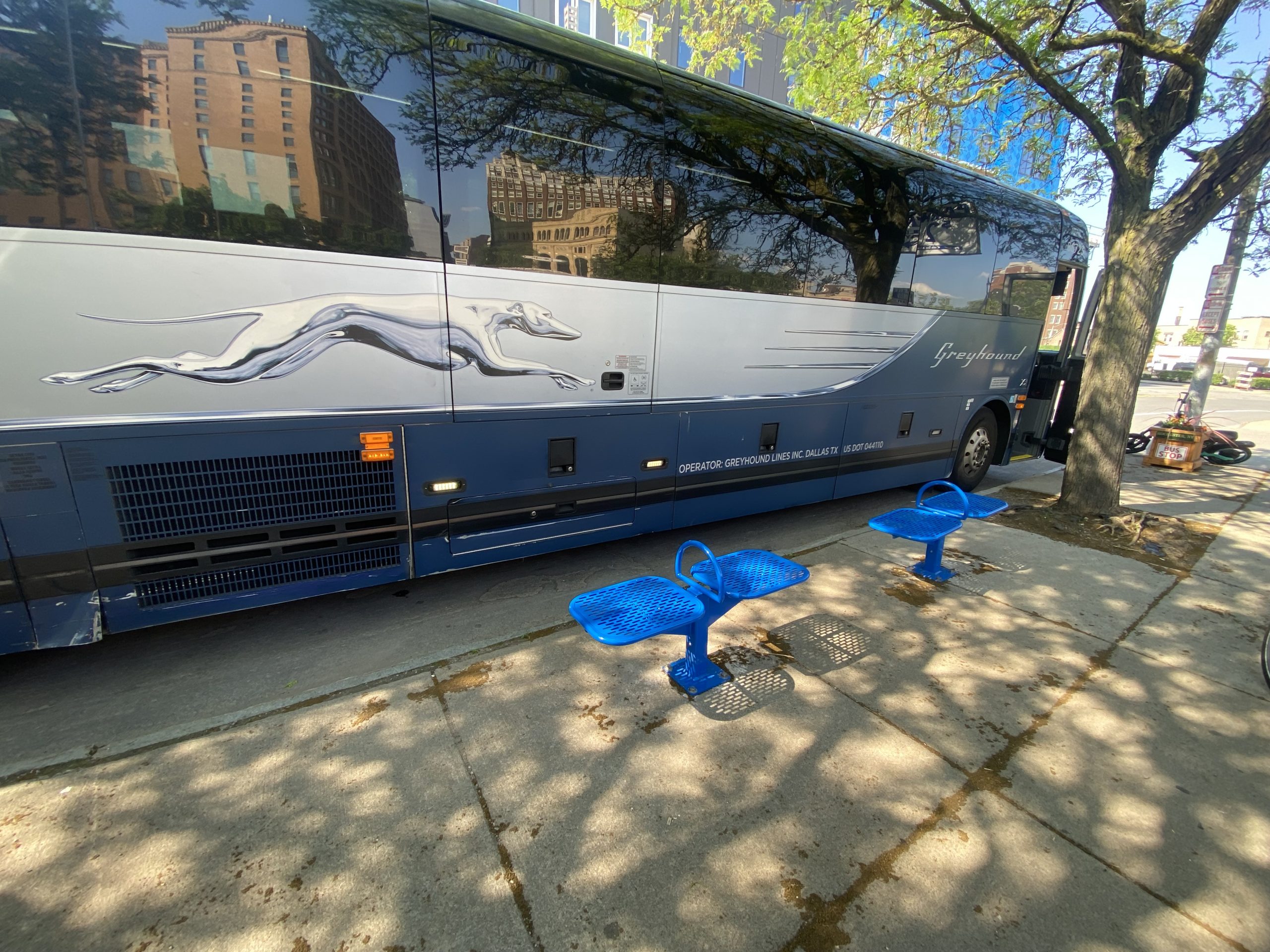
It’s been about 18 months since your advocacy led to Rochester being awarded $18 million in the state budget to build the bus station addition to the current train station. The project is somewhat complicated – Amtrak owns the facility, but NYSDOT built it originally and NYSDOT was given the funds. At the same time, the city is undertaking a massive Inner Loop North project across the street from the facility with a lot of changes planned to the road network. We have been in touch with Amtrak & NYSDOT to urge the kickoff of this project and to keep local stakeholders involved in the planning process so we can fully realize the vision of the intermodal station. In the meantime, we are also working with the bus companies to explore ways to improve the experience of waiting for the bus in Rochester. We successfully advocated for the city to install a simmie seat and we’re trying to get additional seating at the stop.
Keep Us Safe on State Roads Campaign
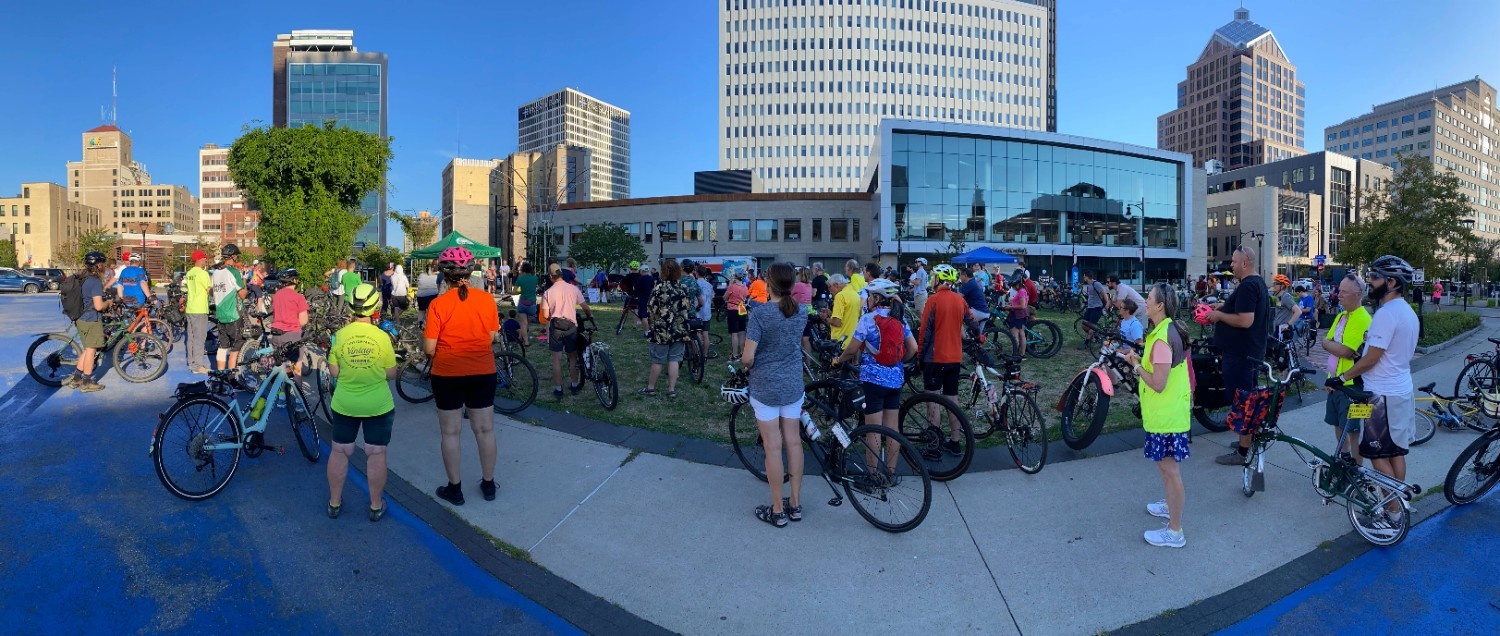
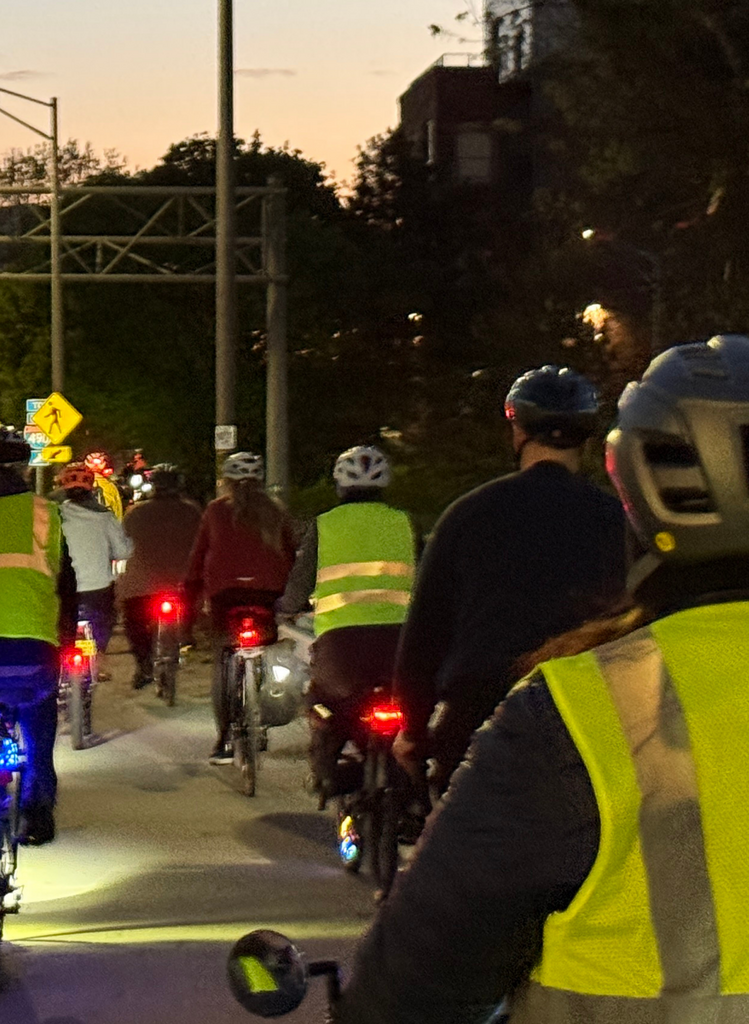
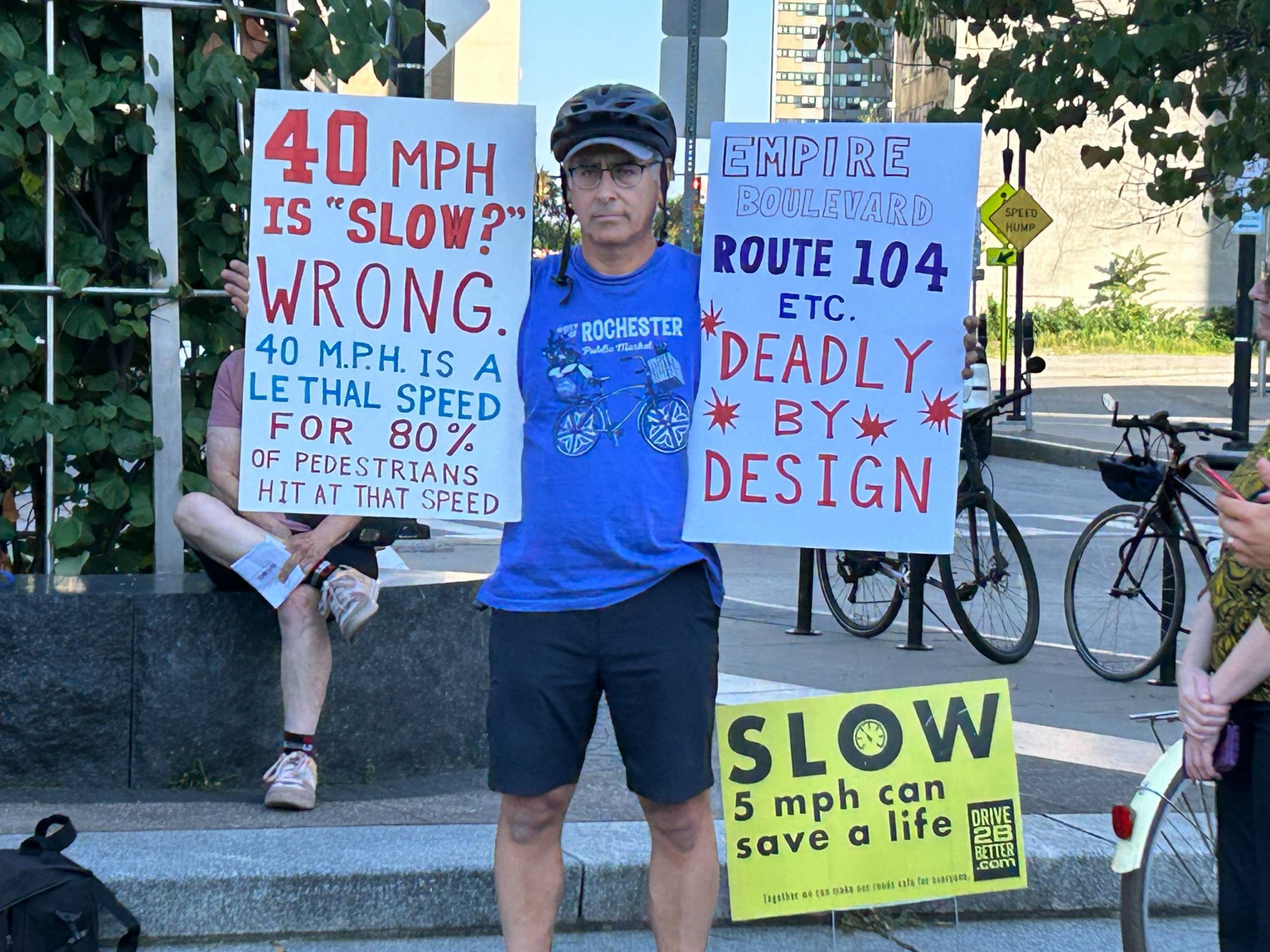
You showed up to ride to Parcel 5 to call on New York State officials to keep us safe on state roads and since then we’ve been busy continuing this advocacy. For those of you who couldn’t attend, the NYS Department of Transportation sent this statement for us to read at the event, which unfortunately didn’t give them the opportunity to see the mass of cyclists who came out to push for safer state roads. Since the event, 311 people signed a letter calling on start officials to invest in safe state road infrastructure for people walking and biking and taking transit! Behind the scenes, we’ve continued to advocate for multimodal changes to Empire Boulevard, Monroe Avenue, West Henrietta Rd. and Lake Avenue. Brighton’s Town Supervisor highlighted the strong prospect that Monroe Avenue would get a road diet, and with the right lane configuration, we could even get 5’ bike lanes on both sides. We need to keep encouraging this kind of thinking for the future.

ROC Vision Zero and 25 MPH

ROC Vision Zero work has really started to get off the ground this autumn, with public engagement planned early in the new year on the automated enforcement and speed limit changes proposed in the plan. Reconnect Rochester and the Healthi Kids Coalition have consistently advocated for speed limit reductions because that policy change alone have shown immediate safety improvements across jurisdictions. The City of Rochester joined other school districts in Monroe County by implementing Bus Patrol stop-arm cameras on school buses, but there are more opportunities to ensure that drivers are held accountable for unsafe driving. Our input is guided by the Vision Zero Network’s resource called Fair Warnings, a systematic review of safety camera programs to ensure equity in implementing the program for residents. The city deployed a seasonal protected bike lane on West Main St. this year and is still putting together a protected bike lane demonstration program alongside other safety programs that will enhance active transportation and winter maintenance

The broader effort around 25 MPH communities applies to all the suburban towns and villages that are eligible to lower their speed limits to 25 MPH on locally-controlled roads. GTC held a regional traffic safety summit during which we exposed local leaders to the 25 MPH local law and examples in our own region that have made the switch. If you live in a suburban town or village, reach out to your decision makers to tell them you support this! 

RTS Service and Budget Crisis

In June, we shared our opposition to many of the changes that RTS was implementing to their OnDemand service and we continue to dialogue with RTS on some of their choices for that service, in particular the virtual stops. We’re concerned these changes won’t improve the rider experience, and the suburbs would probably be better served by restoring some kind of fixed route service. As we move into the new year, please reach out and let us know your thoughts about bus service in the suburbs. 

In the meantime, we are collaborating with RTS and the New York Public Transit Association (NYPTA) to try to spur more investment in public transit. Transit fuels economic activity and it returns many times over what it takes from the state. As a recent Streetsblog article highlighted, without renewed investments upstate, we’re going to be facing a crisis that could lead to service cuts.

Land Use and Zoning

One of the most common questions I’ve been asked lately is when will the Rochester Zoning Alignment Project be released back to the public. We’re not really sure, timelines keep getting delayed. The public probably won’t get to comment on it again formally before the City Council vote, but again that could change. We’ve been advocating for denser, mixed use zoning along transit corridors and eliminating parking minimums to spur housing in-fill development. The conversation really took off this year after the Sprawl Effect, including several workshops throughout the year on more inclusive zoning policies, blog posts from a Brighton Town Board member about eliminating parking minimums, and lots of conversations about the spiky analysis that Urban3 does. We would still love to get an Urban3 analysis for Monroe County and will keep working on finding funding for that in 2026. 
Federal Headwinds – Transportation Reauthorization

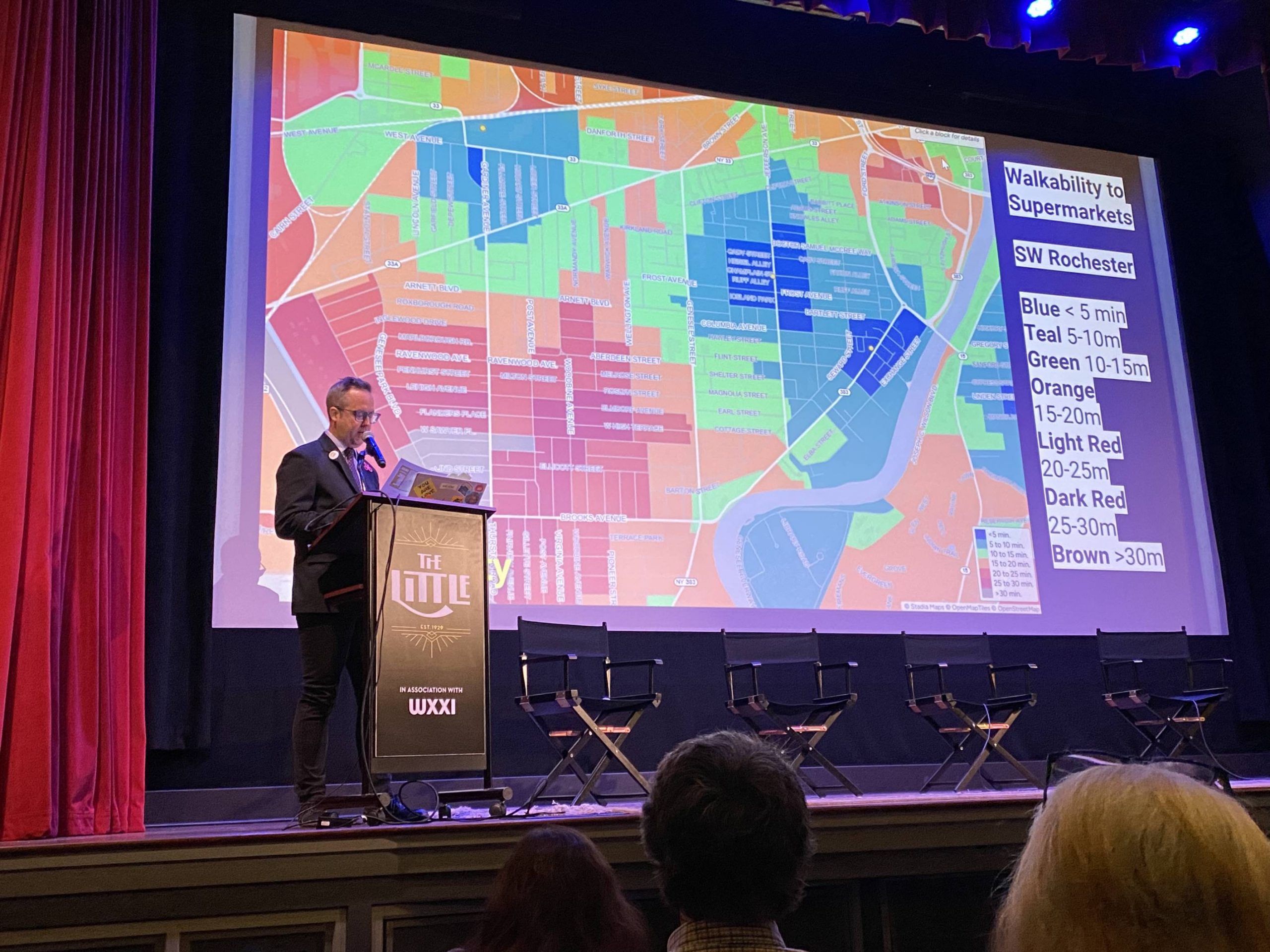
Finally, federal headwinds have continued to be strong all year, but they’re about to heat up for transportation. The surface transportation bill is up for reauthorization and will have a huge impact on local projects. Genesee St, for example, was reconstructed this past year with funds from the Bipartisan Infrastructure Law, the current transportation bill. Just over the past 3 weeks, we’ve heard reports from the House Transportation and Infrastructure Committee that “walking and biking infrastructure” are not important federal priorities and there was a threat (later backtracked) to zero out public transportation funding. The Chair, Rep. Graves (R-Mo) gave an interview in which he said:


It’s going to be a traditional highway bill. That means building roads and bridges, laying asphalt, pouring concrete. We’re not going to be spending money on murals and train stations or bike paths or walking paths. We’re going to spend money on traditional infrastructure — that’s roads and bridges.


This process will keep going well into next year and there are sure to be twists and turns. To stay updated, please subscribe to Mobility Action Alerts, join the League of American Bicyclists Action list and watch for updates from Streetsblog USA.

Quick Hits


by No Comments

A eulogy on the 2025 World Day of Remembrance

In 2023, 40,990 people died from car crashes in the U.S and more than 2.7 million people went to emergency rooms for injuries. Monroe County alone sees an average of 47 deaths and 5,000 injuries each year. To honor these lives, Reconnect Rochester hosted a local event for the World Day of Remembrance on Sunday, November 16th, 2025 where we called on leaders across Monroe County to set safe speeds on local streets.

Josie McClary is a safe streets advocate, a Reconnect Rochester Board Member, and someone with a personal connection to road violence. She wrote this eulogy to commemorate the event.

Today we come together to honor the lives lost and the families forever changed by road crashes. For many of us, this day is deeply personal.

For me, it’s about my beloved, Ryan Grantham Jr. His life was full of joy and promise- and losing him changed my life and my grandson’s life forever.

That loss became my reason to advocate. It’s my WHY!- I believe our streets should connect us, not endanger us.

Every name we say today represents a story, a future, and a community left to carry their memory. We owe it to them – and to one another- to turn our grief into purpose.

We can do this by designing safer streets, slowing down, and listening to those who have lived with this pain.

Safety should never be a privilege – it should be a promise.

So as we reflect, let’s also commit to act – to speak up, to slow down, and to keep pushing until every person in Rochester can walk, ride, or drive home safely.

To the survivors – your strength matters!

To the families – your love and advocacy matters!

And to those we have lost – your memory guides us forward!

May our reflections lead us to change.

May our voices lead to action

And may our city and county continue to rise – together – in honor of those we lost!

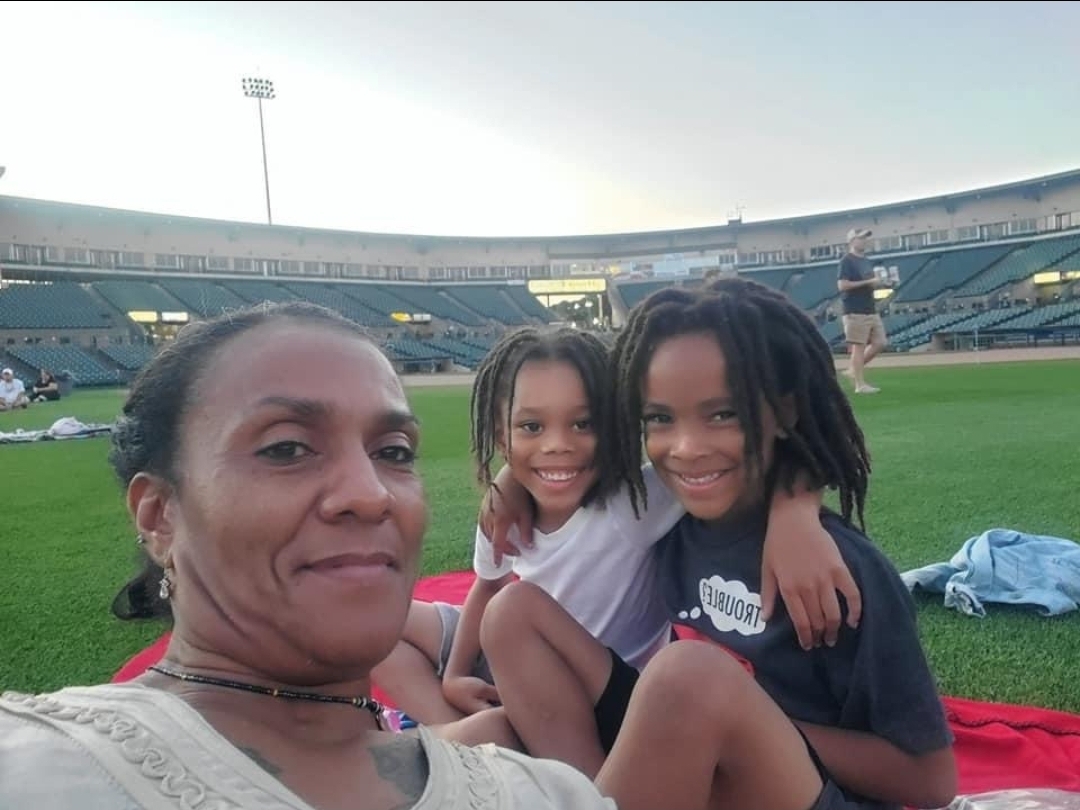
Me, with my grandson Aspen and RJ


by 1 Comment

Bike Law in New York: The Clear, Quirky & Ambiguous

By Jesse Peers, Cycling Manager

Reconnect Rochester felt it was time to answer a few frequently asked bike questions and put some disparate information in one place. Some of the rules for bicycle riders in New York are well-reasoned and straightforward; others are nonsensical. The good news: Laws can be and are updated regularly. Be the squeaky wheel that gets the grease. 😉


First off, let’s get this misconception out of the way: There is no statewide ban on sidewalk riding.


From our analysis of crash reports, it’s evident that some law enforcement don’t know this.

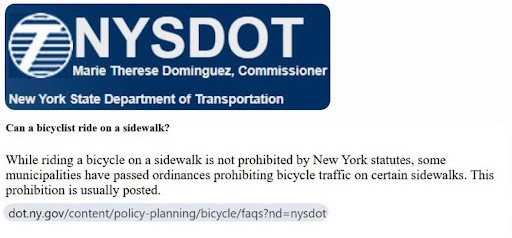
As this State DOT FAQ lays out, municipalities can choose to ban sidewalk riding. New York City and Buffalo prohibit it. As do the villages of Brockport and Scottsville locally. As we previously explored, Rochester’s ban on sidewalk riding was taken away in 1958.


Riders in Monroe County, therefore, often have a choice: They can ride in the road following motorists’ rules, or if they don’t feel safe, they have the option of riding on the sidewalk where the law treats them more or less*** as pedestrians. Sidewalk-riding cyclists have to yield to pedestrians. In other words, pedestrians don’t have to get out of cyclists’ way on the sidewalk.


As we’ve stated before, in general: sidewalk-riding isn’t as safe as many assume and riding in the road, on the right side, isn’t as dangerous as many assume. But Reconnect Rochester has nuance: We’ll admit there are circumstances where the sidewalk is the safest place to ride.

Sidewalk riding downtown is discouraged. For many years, it was explicitly prohibited. But in 2019, the City Council updated the code. There’s wiggle room now: A cyclist can ride on downtown sidewalks if they feel imperiled (“if reasonably necessary to avoid unsafe conditions” in the road).

It should be noted that in the City of Rochester, kids under the age of 13 can’t ride in the road unless accompanied by an adult. Experts tell us that peripheral vision and the ability to judge how fast an approaching vehicle will be in your space just isn’t developed in youngsters. So young riders must stick to the sidewalk when riding without an adult. Here are other tips for youngsters.

A sticky point that’s become a contentious issue with law enforcement: When cyclists ride in the roadway, we acknowledge they’re required to ride on the right side with the flow of traffic. Because New York State does not define sidewalks as part of the roadway, cyclists can technically ride in each direction on the sidewalk, just as pedestrians can walk each way on the sidewalk, when sidewalk-riding isn’t prohibited. (Though it’s far safer, bicyclists don’t have to ride on the sidewalk on the right side of the road in their direction of travel).

We’ve seen Police Reports where the Officer reprimands a cyclist for riding on the sidewalk on the left side of the road, even if there is no sidewalk on the right side. Cyclists do have the right, though riding on the left sidewalk opens them up to this common motorist mistake.


Just because riding on the sidewalk is allowed, doesn’t mean it’s beneficial [in every circumstance]. We only recommend it for brief, finite maneuvers when the cyclist can use it to their advantage.


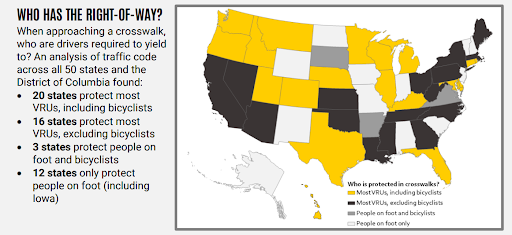
Motorists in New York are legally required to yield to pedestrians in crosswalks. The “common law” interpretation of this is for motorists to yield to cyclists in crosswalks too (and we occasionally see motorists ticketed for failing to do so), but it’s not explicitly stated. Though cyclists are not legally required to dismount and walk their bike across the crosswalk, doing so protects them more in a legal sense. As Cara Hamann states in this important article, “There is a simple and straightforward fix to the legal loophole in crosswalk laws: change the word ‘pedestrian’ to ‘persons.’” We find it interesting that in the NYS Driver’s Manual, motorists are instructed to yield to pedestrians, in-line skaters and scooters in crosswalks. Bicycles are missing from that directive.

When there’s a dedicated bike facility and it’s usable and unobstructed, it’s state law for the cyclist to use it (except to come out to prepare for a turn). A bicyclist could be ticketed, for example, for riding on Union Street itself rather than the raised cycle track running alongside Union Street.

When it “legalized” e-bikes in 2020, New York State blanketly banned e-bikes (and e-scooters) from sidewalks. But municipalities have the option of allowing them on sidewalks. Rochester was one of the first to do so.

A quirk of New York State’s e-bike law is that e-bikes (and e-scooters) are prohibited on roads with speed limits greater than 30 mph. This more or less only makes e-bikes legal in cities, villages and quieter residential streets. Most riders in the suburbs are unknowingly riding illegally on their primary roadways. There’s a bill in the legislature that would fix this. Prod your Albany reps. 😉

It’s worth noting: One of the reasons that Upstate New York’s Sidepath networks disappeared in the early 1900s was that different rules throughout the state just didn’t make sense. History is repeating itself in that sense with e-bike rules.

There’s a whole book devoted to New York’s weird e-bike laws. Since it’s becoming an issue, we’ll point out that you have to be 16+up to ride an e-bike. Crashes involving riders younger than 16 are spiking up, which could have wider repercussions…

This comes as a surprise to many: Monroe County doesn’t allow bikes on trails or paths in County Parks with the exception of Tryon, Irondequoit Bay West, Genesee Valley Park, the Lehigh Valley Trail, and that short section of Highland Park South (Biekrich Park) where the Highland Crossing Trail is. However, folks can bike on any paved road in the park system that is open to cars.

The following Towns also don’t allow biking on footpaths and trails in their parks:

  • Brighton
  • Brockport
  • Ogden
  • Penfield
  • Riga
  • Webster

Our understanding is that trails throughout New York that are open to bicycles are not automatically open to e-bikes. The entity that has jurisdiction over the trail can choose to allow them. The only local trails that we know allow e-bikes are the Erie Canal and Genesee Riverway Trails. City Trails such as the El Camino Trail are technically not yet open to e-bikes. If you come across any information that contradicts this or any more local trails that allow it, let us know.

New York State law permits cyclists to ride two abreast if sufficient space is available. But the following municipalities require riders to be single file at all times:

  • Brighton
  • Ogden
  • Penfield
  • Webster
  • Fairport

Finally, as many riders know, bicycle riding is prohibited on the Erie Canal towpath between the Main Street bridge and the State Street Bridge in the Village of Pittsford, and dismounting of bicycles on the towpath in that area is required.


by No Comments

Understanding Bicycle Crashes in Monroe County

By Jesse Peers, Cycling Manager

As promised, we wanted to follow up our March blog examining the most common cyclist crash in Monroe County with further analysis. A huge component of safety is knowing what those common crash scenarios are and what we can do to significantly diminish the likelihood of our involvement in them. Though this article focuses more on road user behavior and errors, know up front that Reconnect Rochester spends most of our time focusing on better street design (engineering!) as the best solution.

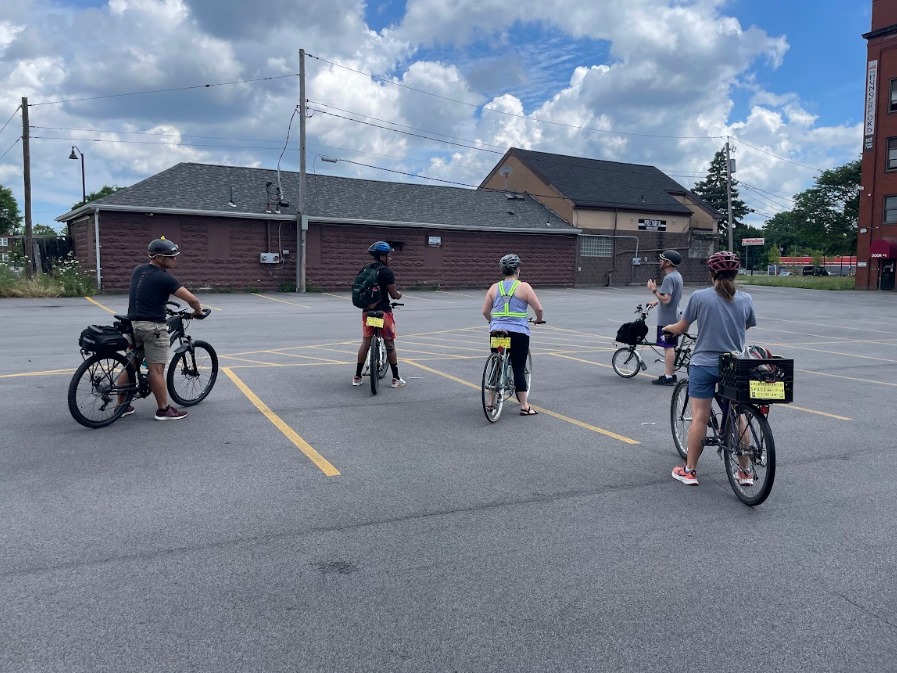
Quick note: No blog on bike tips is a substitute for our on-bike Smart Cycling class. (Taking this class is what it took for me to get comfortable riding around back in 2013). The class is small, fun and propels students out with know-how and confidence. Stay tuned for 2026 dates or take the League of American Bicyclists’ online version in the meantime.

Kobe Bryant used to say as he analyzed opponents’ games and habits, “If [something is] predictable, it’s preventable.” In his phenomenal book Killed By A Traffic Engineer, Wes Marshall argues that Kobe’s point also goes for traffic: Some of the errors motorists make are so predictable and, therefore, engineers can adjust road designs accordingly.

Because I know the mistakes Monroe County motorists often make and maintain awareness as I ride, there’s times my well-honed Spider-Sense goes off: “Ooo boy, if there was gonna be a crash, it would be precisely this scenario right here…” I slow down, don’t stress, and make sure everyone around me sees me to ensure my safety. We hope you can do the same. Let’s examine the other common crash scenarios in Monroe County involving bicyclists.

Yes, we know not all bike crashes are reported. Even if the info we receive isn’t everything, we’d still contend that what we receive gives us a pretty good glimpse at what’s transpiring out there. The findings are still instructive.

First off. A major takeaway:

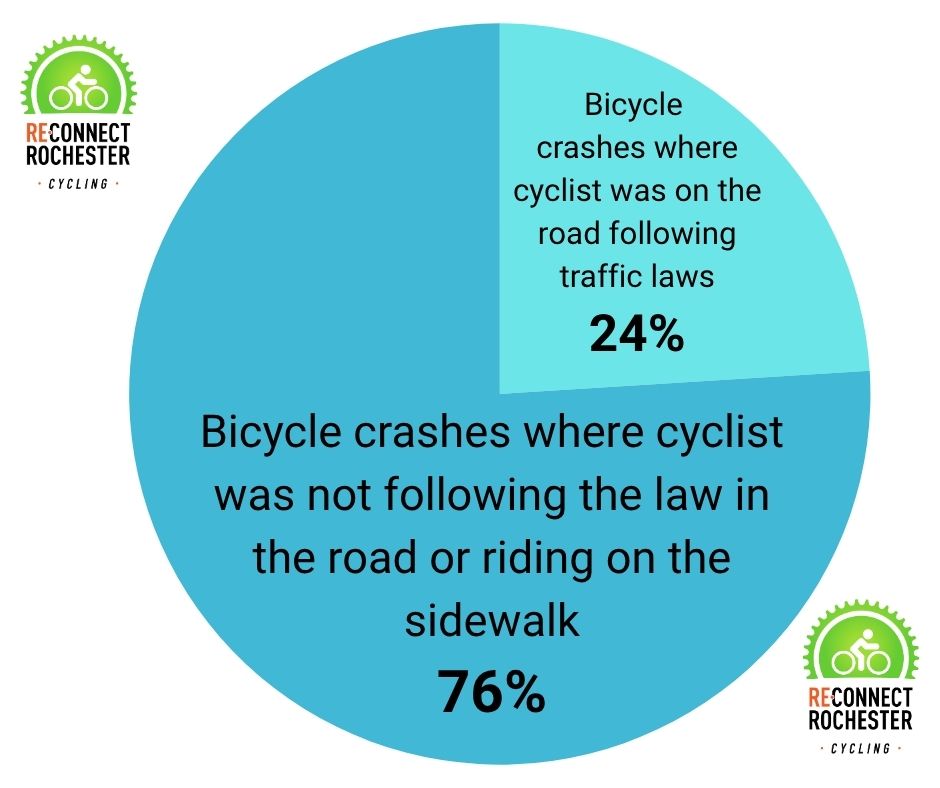
Monroe County motorists make a lot of mistakes interacting with sidewalk riders. Riding in the street, following the rules, is safer than many think.

Most Common CYCLIST Error – running a red light/stop sign or biking through crosswalk during Don’t Walk phase

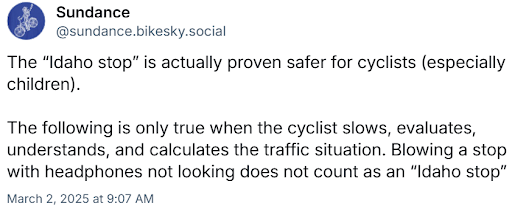
Reconnect Rochester annually champions the Idaho Stop in New York State. Passage would allow bicyclists to treat stop signs as yield signs and red lights as stop signs. Many intersection signals don’t detect cyclists’ presence and believe it or not, the statistics say the Idaho Stop is safer for cyclists.

BUT:

  1. It’s not the law right now
  2. The Idaho Stop is safe only when certain conditions are met, as this Santa Cruz advocate says well:

What can cyclists do?

Proceed through an intersection when it’s clear & you know you’re being yielded to. Don’t run red lights or stop signs. Don’t roll through a crosswalk during the Don’t Walk phase. Report traffic signals that don’t detect your presence to Monroe County DOT.

What can motorists do?

Stay alert. Make sure the way is clear in each direction before proceeding. Yield to anyone in the crosswalk.

2nd Most Common MOTORIST Error – turns into cyclists going straight

Note: The Most Common MOTORIST Error was covered in our March blog post

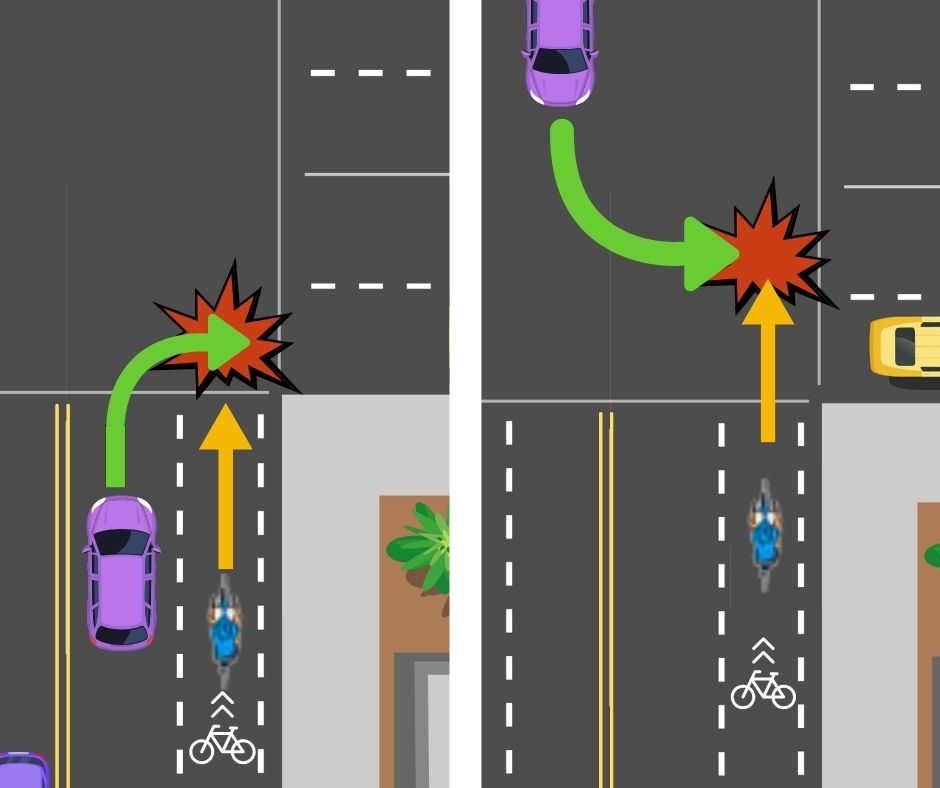
You know Reconnect Rochester: we love bike lanes! The more physical protection and separation from motor vehicle traffic, the better. Bike lanes, without protected intersections however, still present a potential conflict point at intersections. Sometimes motorists coming up behind the cyclist make a right turn into them as the cyclist is proceeding straight. This is called a right hook. Other times, motorists coming from the opposite direction will take a left turn into the straightgoing cyclist. This is known as a left cross.

In both instances, motorists are required by law to yield to that straight traffic and can’t make the turn unless it can be made with safety. We’ll note that illegal motorist turns are more common with sidewalk riders than classic left crosses and right hooks with cyclists in the roadway.

What can cyclists do?

Approaching intersections, come out from the curb (when it’s clear and safe) to be more visible and to limit motorist’s most dangerous choices. “Taking/Controlling the Lane” can sometimes be the wisest thing to do. It’s also prudent to not barrel through intersections at top speed. Proceed with caution until you know the way is clear and you’re being yielded to.

I’m not a big John Forester fan, but I like this line from his book: “When you approach a red light on a bike-laned street, be especially considerate to move out of the bike lane to maintain sufficient room on your right for cars to turn right on red. That is both politeness on your part and self-preservation…”

What can motorists do?

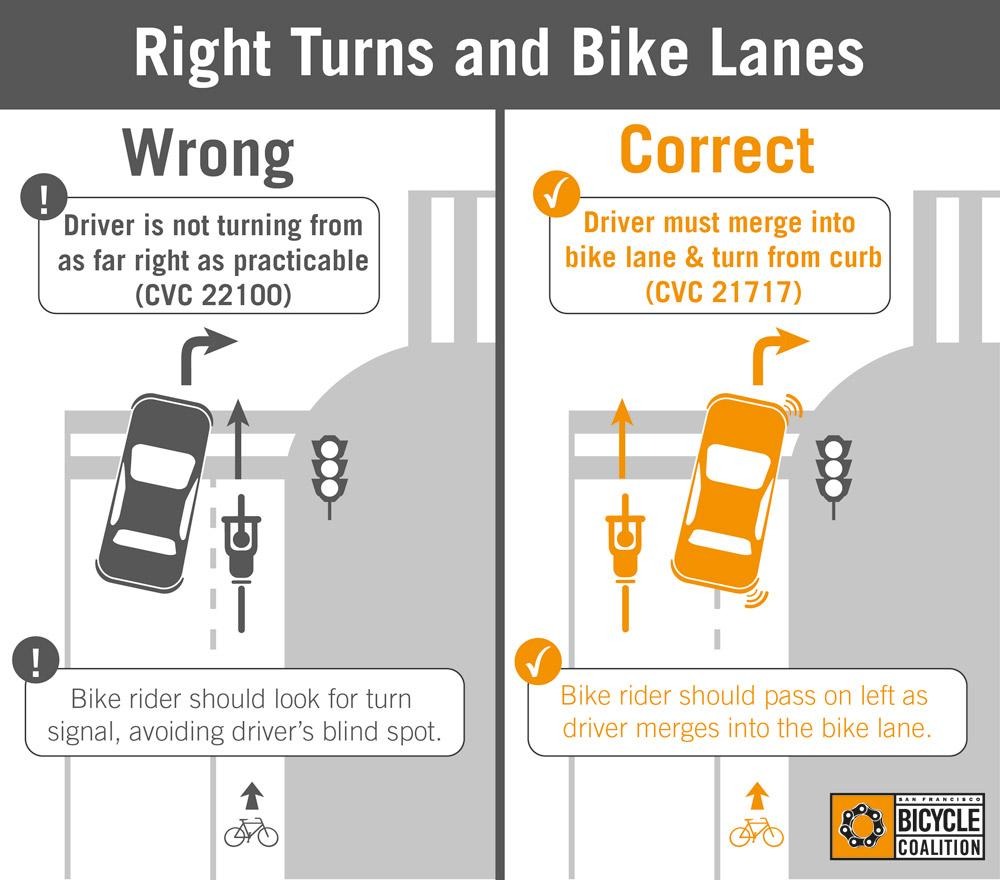
Yield to straight going cyclists before turning right or left. As prescribed in the image above, make right turns close to the curb, yielding to traffic already in the bike lane or shoulder.

2nd Most Common CYCLIST Error – wrong way riding

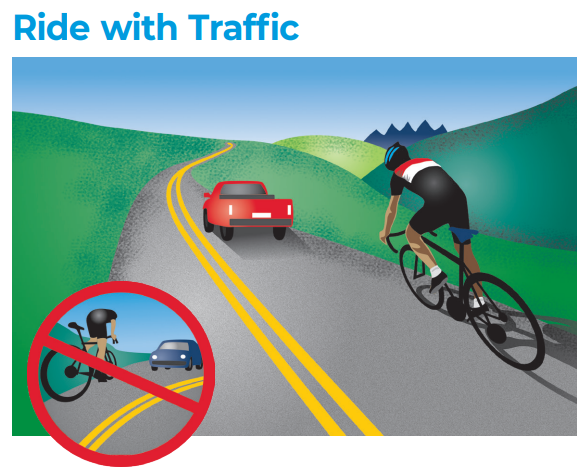
When cyclists ride in the street, they’re required by law to ride on the right side of the road with the flow of traffic. As I’m sure you’ve seen, a lot of bicyclists here choose to ride on the left side against the flow of traffic. At first glance, it’s easy to see why: They’d much rather see traffic come at them than not see traffic coming behind them. However, it’s a ticketable offense and we’ve got the data to prove it’s one of the leading causes of crashes here. The laws of physics make this crash especially severe on the cyclist: If you’re biking on the left at 10mph and are hit head on by a car in the opposite direction going 30mph, that’s literally the equivalent of getting hit at 40mph.

You’re not walking away from that crash.

Image taken from NYBC’s Pocket Guide, available as a free PDF here

What can cyclists do?

Ride on the right side of the road with the flow of traffic. This takes getting used to, but you’re more safe, visible and predictable this way. To make it easier, stick to the lines on our ROC Easy Bike map.

What can motorists do?

 Look both ways at intersections, driveways and parking lot exits and ensure the way is clear before turning. Stay alert.

3rd Most Common MOTORIST Error – unsafe passing

Every bicyclist’s greatest fear – riding on the right side of the road, doing everything you’re supposed to do, and getting hit from behind by a straightgoing motorist – is not that common; the other crash scenarios we’ve discussed here are much more common.

But getting hit from behind does happen. Chances are higher on arterials when there are no bike lanes present. Getting hit from behind by a straightgoing motorist while in a bike lane is quite rare.

We find it interesting that much of the time when a cyclist does get hit from behind, it either happens at night or in the suburbs. Dedicated bike infrastructure and street lighting are less prevalent outside the City. Speeds are higher there and sometimes there’s not even a shoulder to ride in. The more “road diets” County DOT and NYSDOT can do, the safer suburban cyclists will be.

What can cyclists do?

If riding at night, it’s the law for bicyclists to have a red light in the rear and a white light in the front (reflectors don’t suffice). Of course for their benefit, the cyclist can go beyond satisfying the law to wearing bright reflective material that makes them even more visible. Two stage left turns and riding along the easy bike network make this crash less likely. Advocate for protected bike infrastructure.

What can motorists do?

Slow down and maintain vigilance while driving. It’s New York State law to pass cyclists at a safe distance. In Monroe County, that safe passing distance is at least 3 feet.

3rd Most Common CYCLIST Error – failing to yield to cross traffic

When any vehicle operator comes out of a driveway/parking lot or comes to the end of a minor residential street up to a major street, they must stop (before entering the sidewalk/crosswalk area) whether there is a stop sign or not. They can only proceed straight across or turn onto that busier road when the way is clear and they can proceed with safety. A significant factor in crashes in Rochester is cyclists (and motorists, too, for that matter) coming to the end of a residential side street and proceeding across a major road without yielding to that cross traffic (which has the right of way) and waiting until the way is clear.

Granted, sometimes that cross traffic is busy and/or that cross traffic can be speeding. But they have the right of way. If it’s rush hour, it might be a good idea for the cyclist to head to the nearest signalized intersection via the sidewalk and press the “beg button” to help them cross or turn.

Of course, lower speed limits, speed/red light cameras, traffic calming and more crosswalks would make this crash less common and make it easier to get around by bike.

What can cyclists do?

Don’t cross until the way is clear. If traffic is busy, head to the nearest signalized intersection via the sidewalk and press the “beg button” to help you cross or turn.

What can motorists do?

Slow down. Stay alert.

In sum, when cyclists eliminate these common cyclist mistakes from their repertoire and ride in a way that significantly deters the common mistakes motorists make, their safety skyrockets! Consider taking our bike class in 2026 and get acquainted with our ROC Easy Bike map.


Do us a favor and spread this finding widely. If Monroe County could eliminate or lessen this crash scenario, we’d see a significant decrease in motorist/cyclist crashes.